I-Rod® material
I-Rod is a strong, durable thermoplastic that prevents corrosion under pipe supports
Eliminate crevice corrosion at pipe supports

Conventional pipe support designs trap water, which soon leads to corrosion that can eventually cause pipe failure.

I-Rod® material installed along a beam support. There has never been a reported pipe failure at a pipe support when I-Rod® was used.
I-Rod® vs other plastics
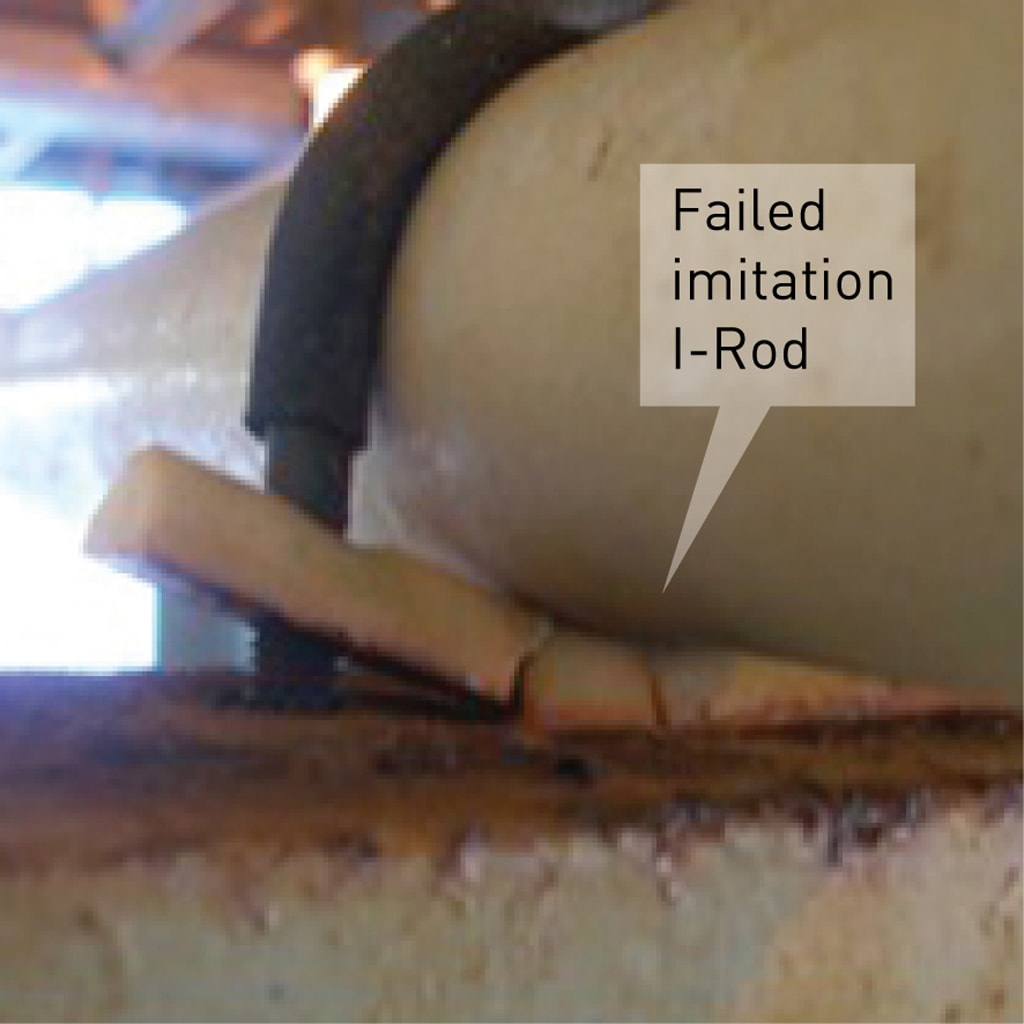
Unidentified (HWMPE?)
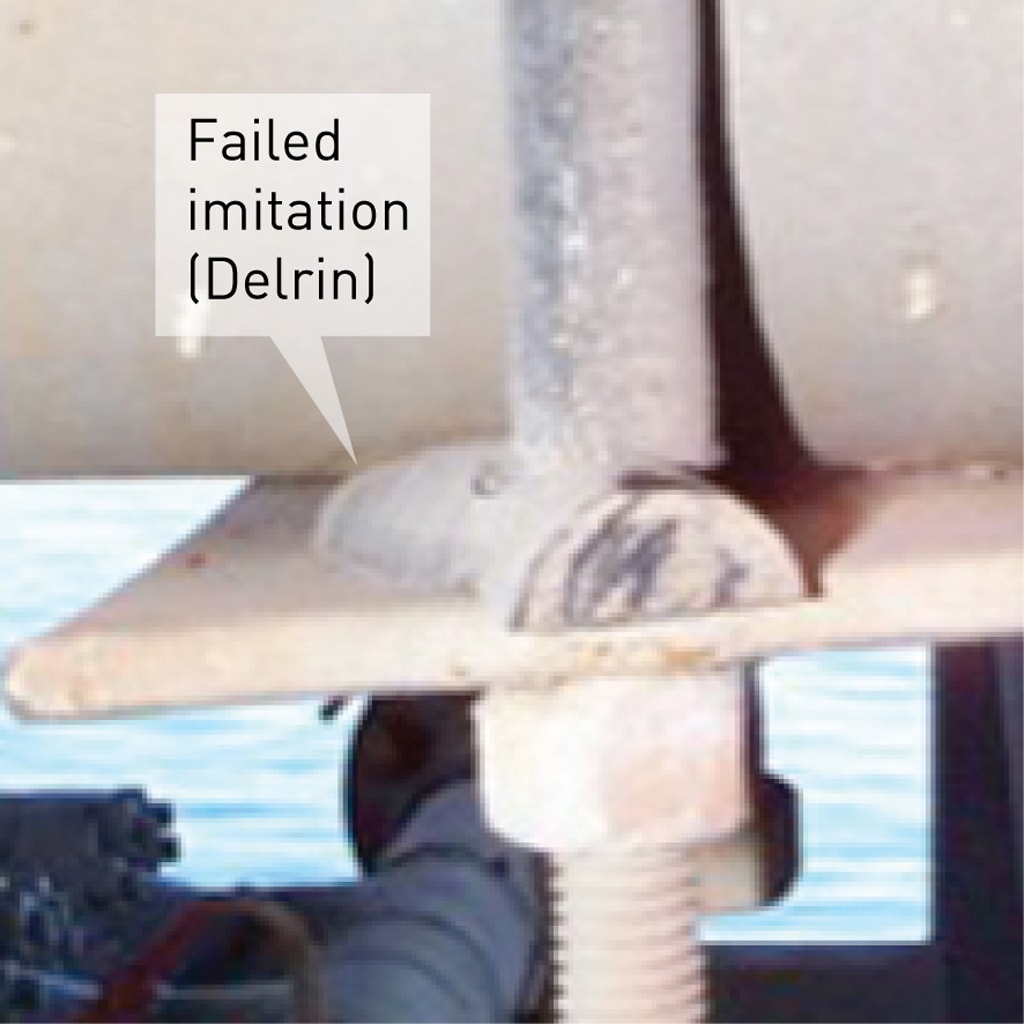
IMITATIONS AND ALTERNATIVES
I-Rod® material is extremely durable. It can support enormous amounts of weight. While conducting offshore inspections, our technicians routinely discover imitations of I-Rod® that have broken or crushed, leaving pipes dangerously unprotected. Usually, these are low-grade imitations, but some use high-quality materials (Delrin and Teflon for example) with the incorrect material properties.
I-Rod vs imitations
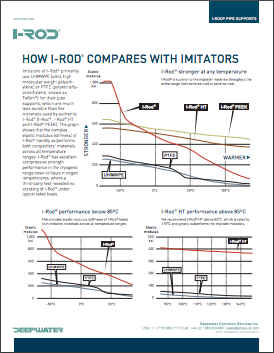
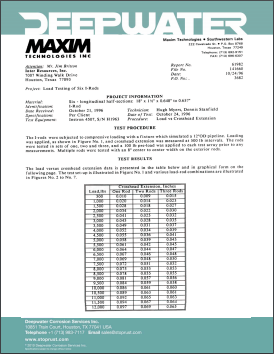
3rd party lab test
Key design points

Strength
Lab tests have confirmed that I-Rod® has excellent compressive strength and a very low friction coefficient.

Inspection
I-Rod® provides an electrically isolated stand-off between pipe and supporting beam, allowing easy maintenance and inspection.

Half-round shape
I-Rod's half-round shape minimizes contact between the pipe and the support, eliminating moisture accumulation.

Extreme temperatures
I-Rod® is available in three different materials that collectively are rated to perform in temperatures ranging from -166° F to 480° F.
What is I-Rod®?
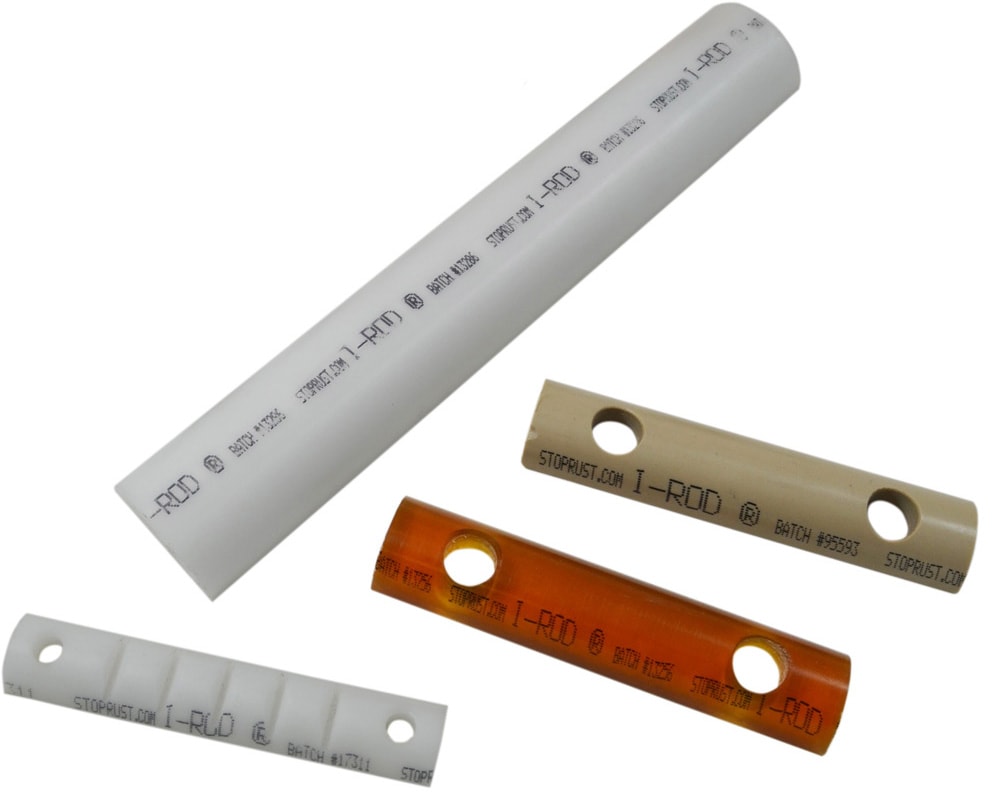
I-ROD® IS A SPECIAL TYPE OF PLASTIC
I-Rod® material has a high compressive strength and is subject to very little creep over time, so it can last up to 20 years in the field. The half-round I-Rod® material is supplied in lengths, or cut-and drilled to fit any size pipe U-bolt.
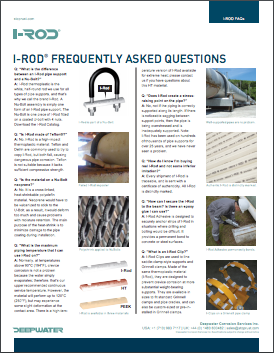
I-Rod® FAQs
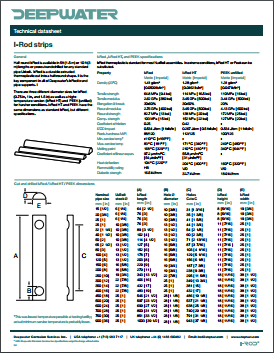
I-Rod® Specifications
Video: How I-Rod® works
Download Nu-Bolt® 3-D CAD models
Download free CAD models of Nu-Bolt® assemblies for use in designing your next project. Hundreds of files in the most popular CAD formats are available.

How to order I-Rod®
I-ROD® LENGTHS OR CUT AND DRILLED
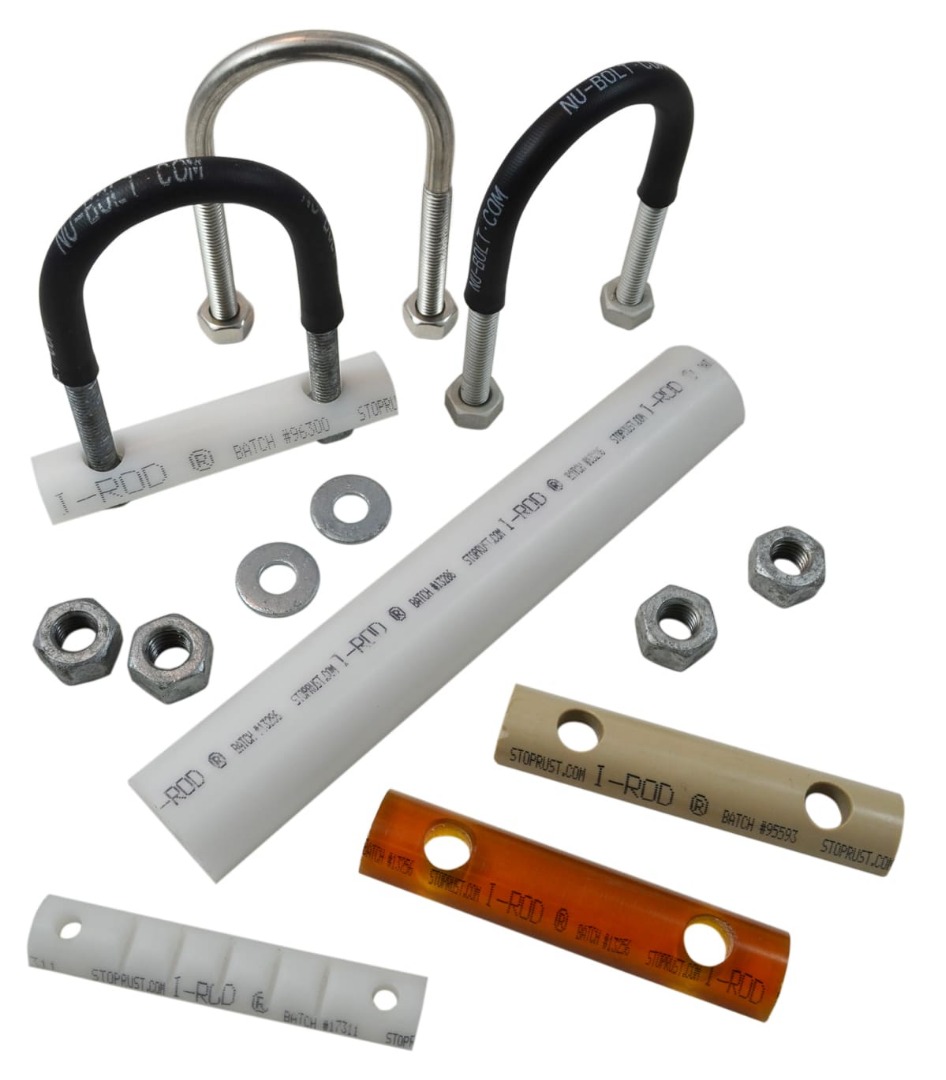
I-Rod® is only available from Deepwater Corrosion Services and our licensed distributors and international resellers. I-Rod® material is sold in the following configurations:
> 5 ft or 10 ft lengths
> Cut and drilled for pipe U-bolts
> As a complete Nu-Bolt® assembly (with U-bolt, shrink, nuts)
How to order I-Rod®
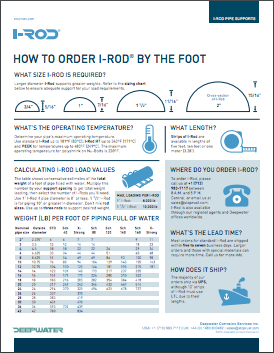
I-Rod® Catalog
The I-Rod® online store is now open for business
The full line of I-Rod® products and accessories are now available at our new e-commerce site at I-Rod.com. All of our I-Rod® offerings, specs and downloads can be found in one place, along with convenient online ordering in the US and UK, with other regions coming soon.

I-Rod Gallery
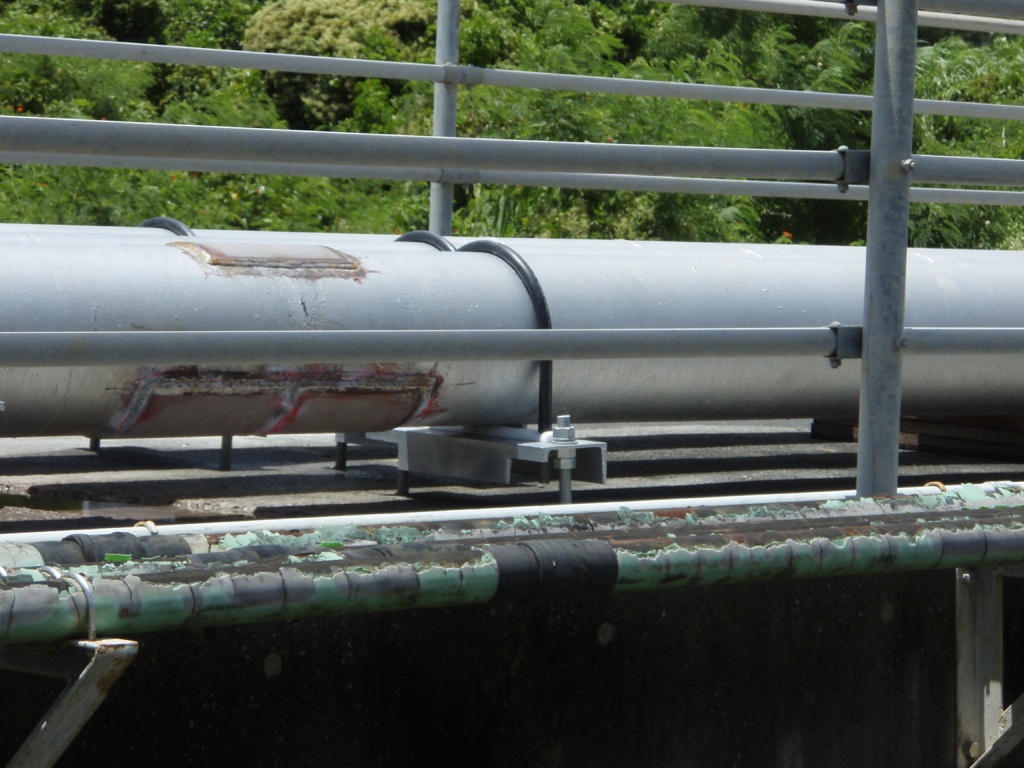
Onshore large diameter pipe
This Nu-Bolt® was installed on a midstream pipeline near previous repair work caused by a support that didn't use Nu-Bolt®.
Nu-Bolt® and I-Rod®
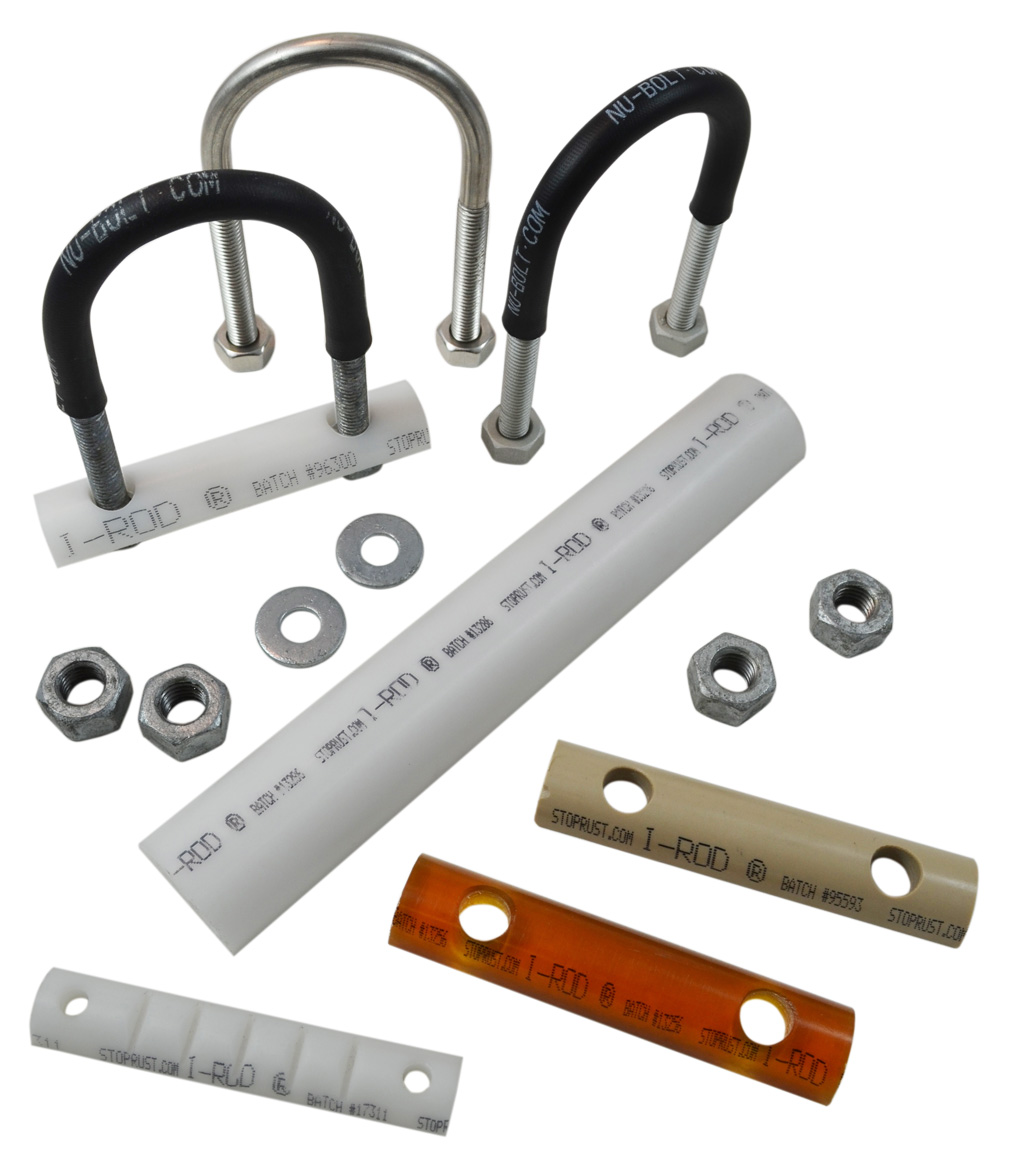
Galvanized, Sermagard and 316 SS U-bolts with the three types of I-Rod®: Standard (white), HT (amber) and PEEK (tan).
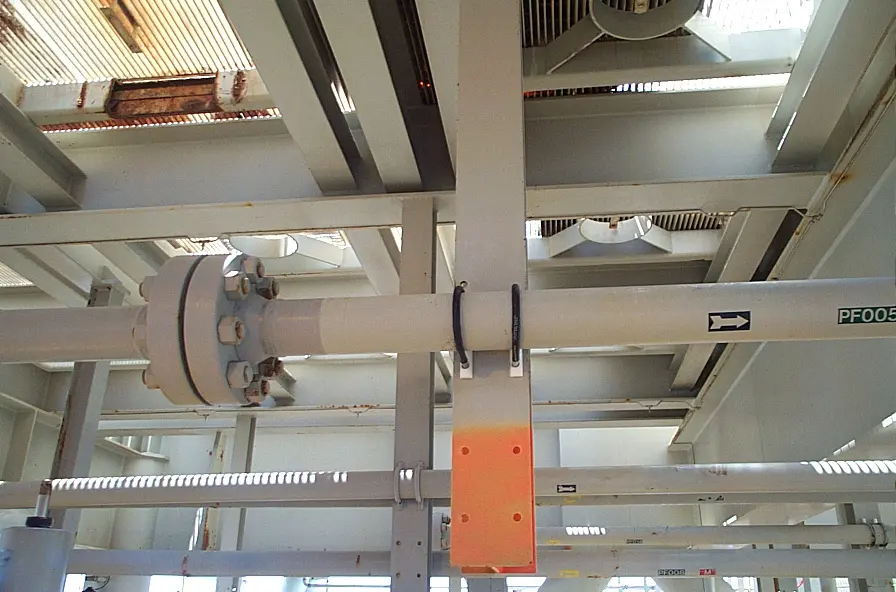
Nu-Bolt® offshore
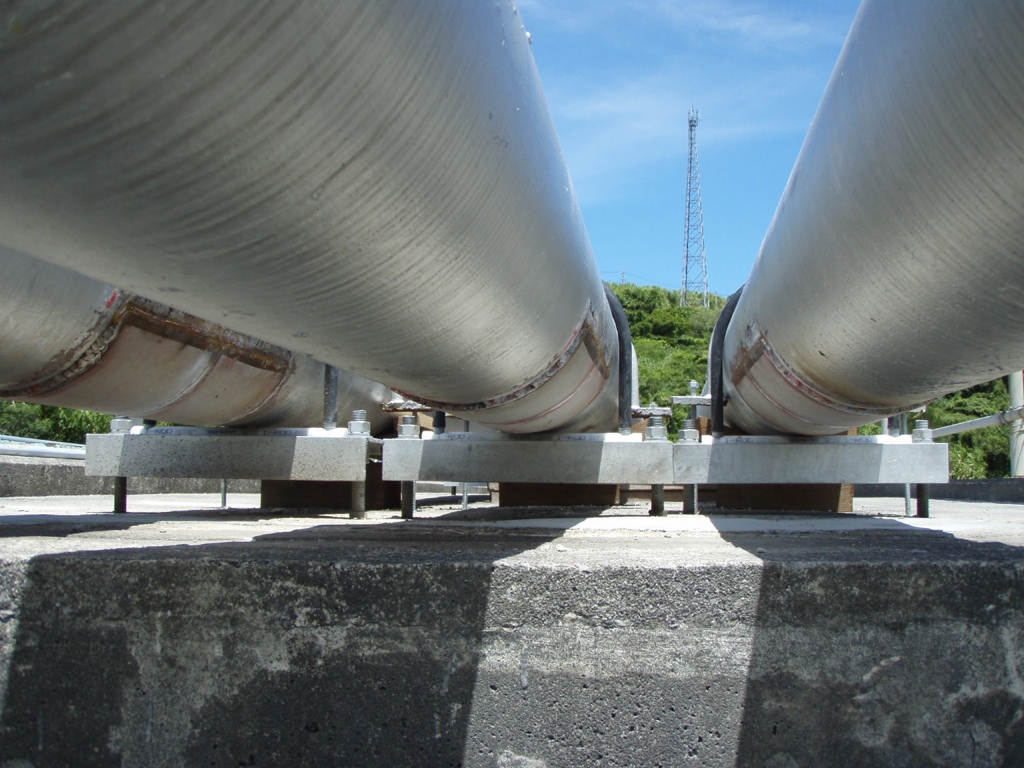
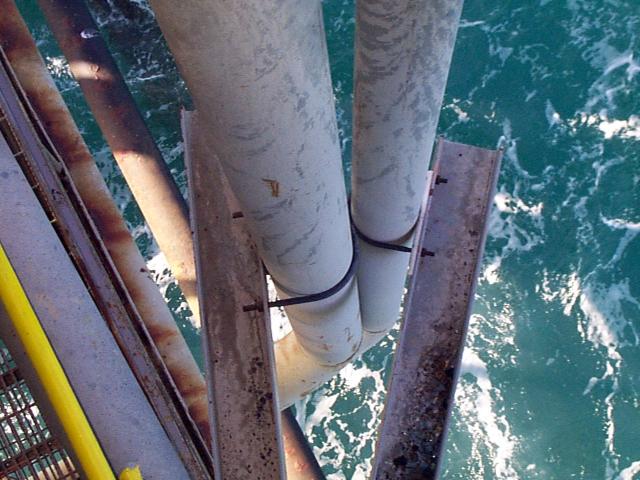
Nu-Bolt® began as an offshore product, but has since been specified by all major onshore and offshore operators.
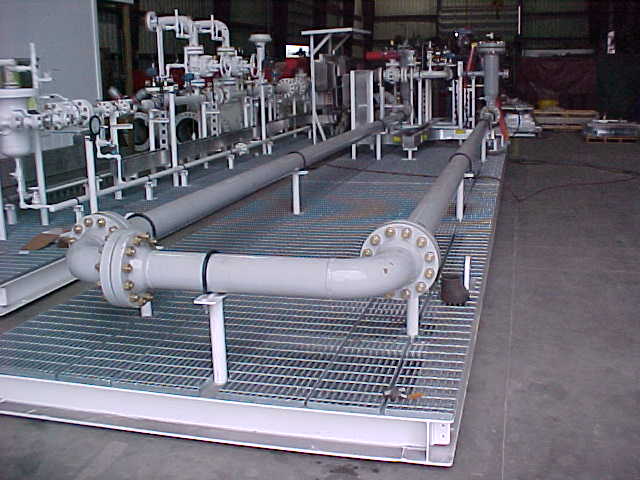
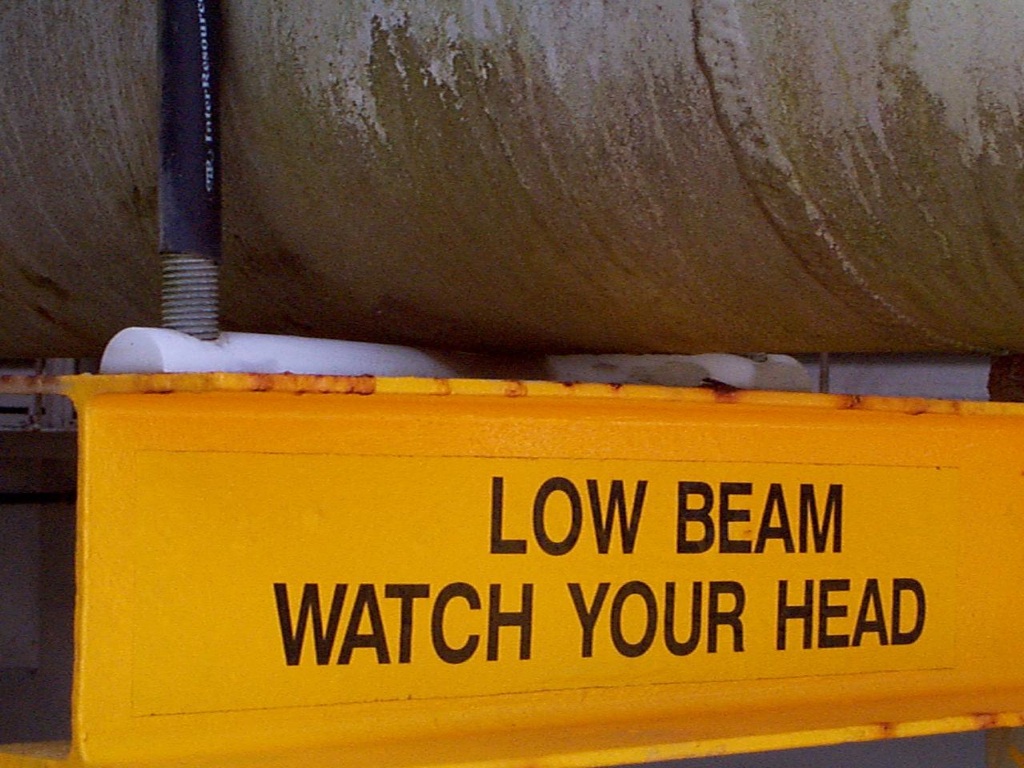
High compressive strength
One piece of I-Rod® can support up to 10,000 lbs of weight at a single point.
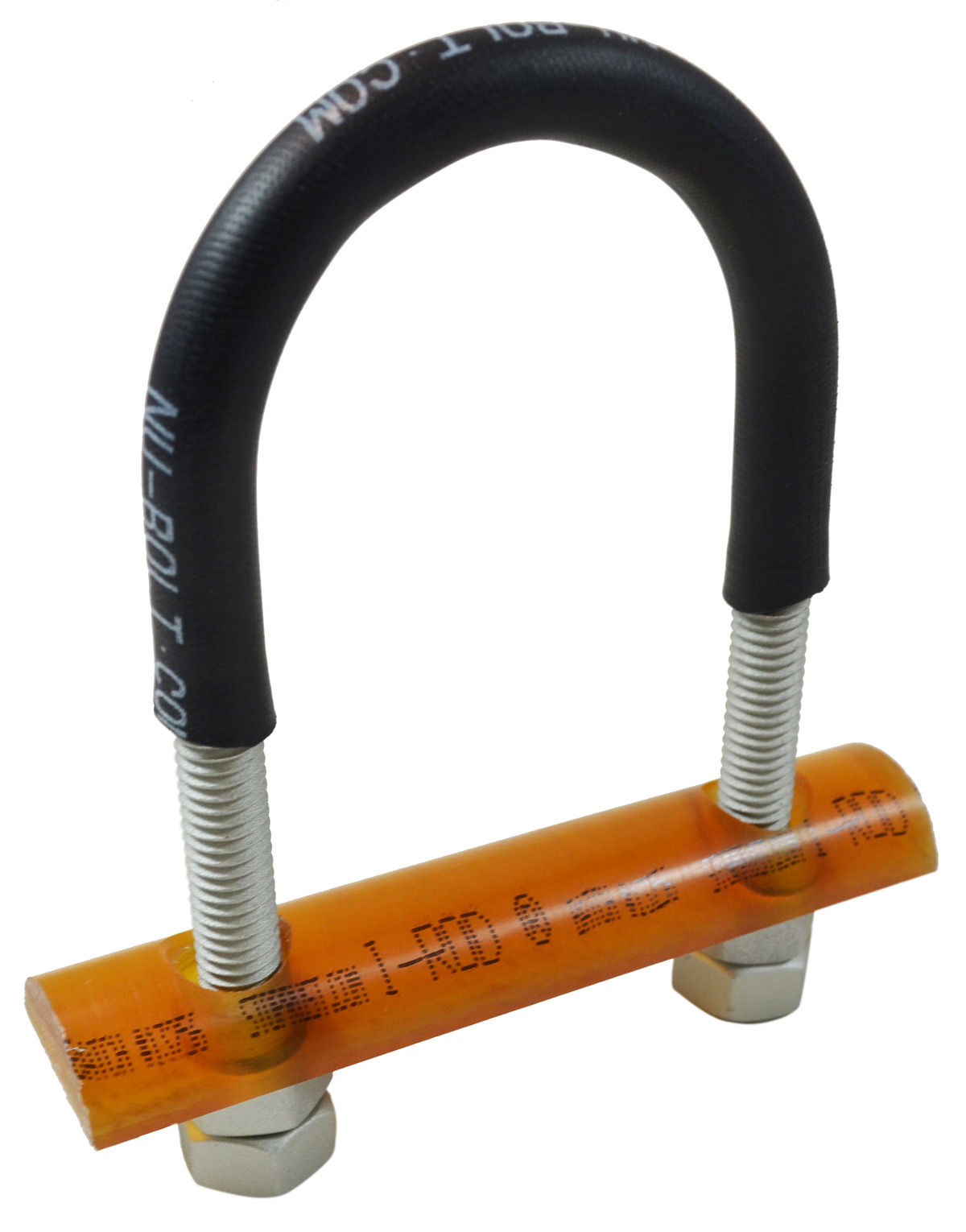
Batch numberin
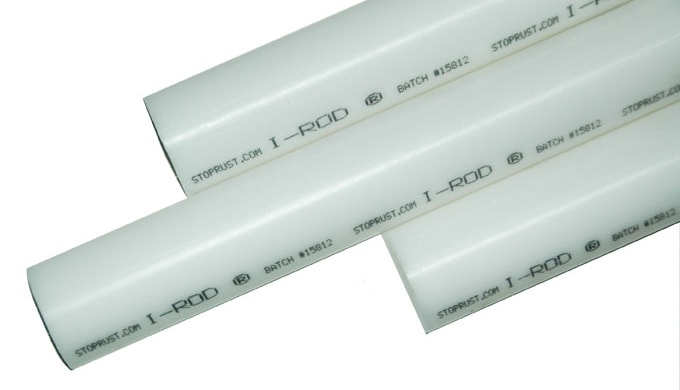
There are a lot of imposters out there pretending to be I-Rod®. Make sure you have a genuine C of C from Deepwater and that the batch number is clearly visible.
Get more information

Related products & experience


