Forties Field platforms
Nine RetroBuoy™ systems installed to protect four aging North Sea structures

Deepwater installs nine RetroBuoy™ systems to protect four aging North Sea structures.
In 2010, Deepwater EU (a subsidiary of Deepwater Corrosion Services) successfully designed, deployed and commissioned nine (9) impressed current cathodic protection (ICCP) systems to four (4) fixed platforms located in the Forties Field, North Sea, UK. The 35-year-old platforms are 110 miles (180 km) east-northeast of Aberdeen in about 120 meters of seawater. The owners required a life-extension solution for the cathodic protection (CP) system to add at least 20 additional years of service for the aging structures. The engineering and design for the systems were carried out from our UK offices; systems were all manufactured in the UK.
• 9 RetroBuoy™ impressed current anode sleds rated at 450 Amps each
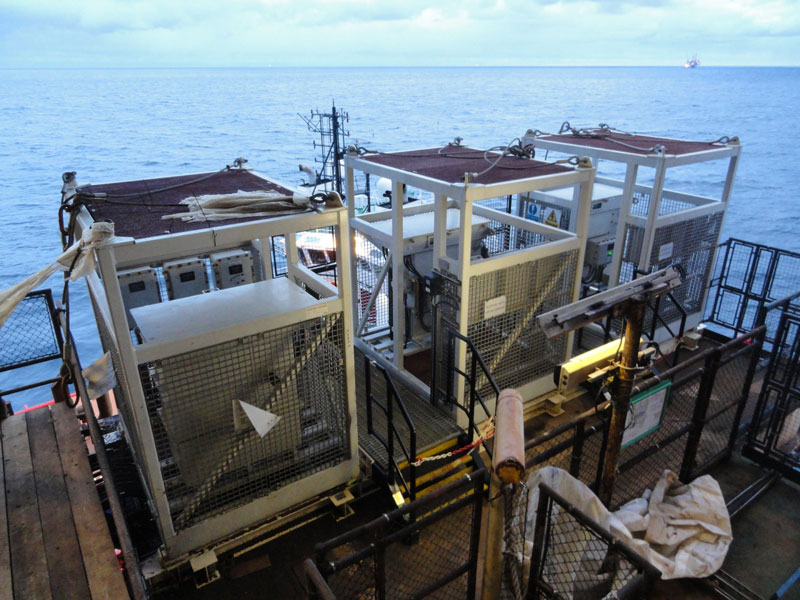
• 9 Hazardous-area-certified transformer rectifier skids
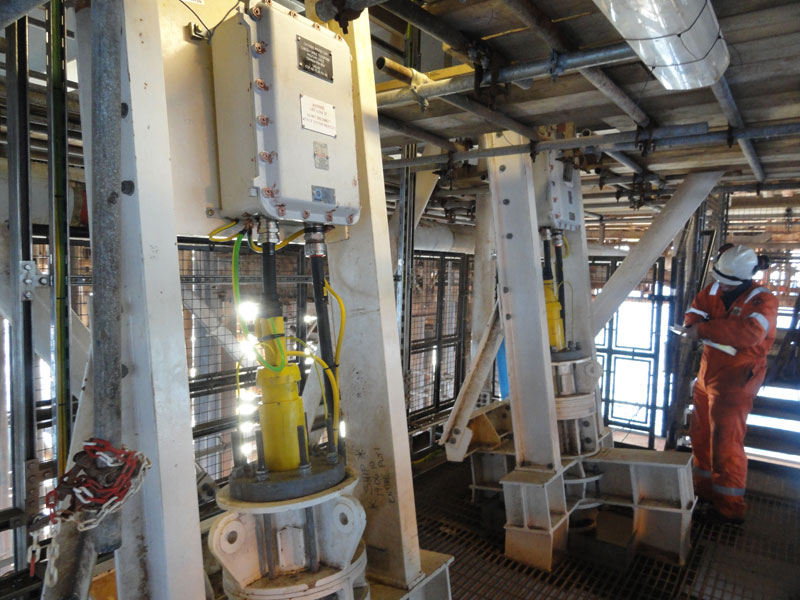
• 9 Hazardous-area-certified topside junction boxes
• Associated topside and subsea cables


Installation time: 12 hours
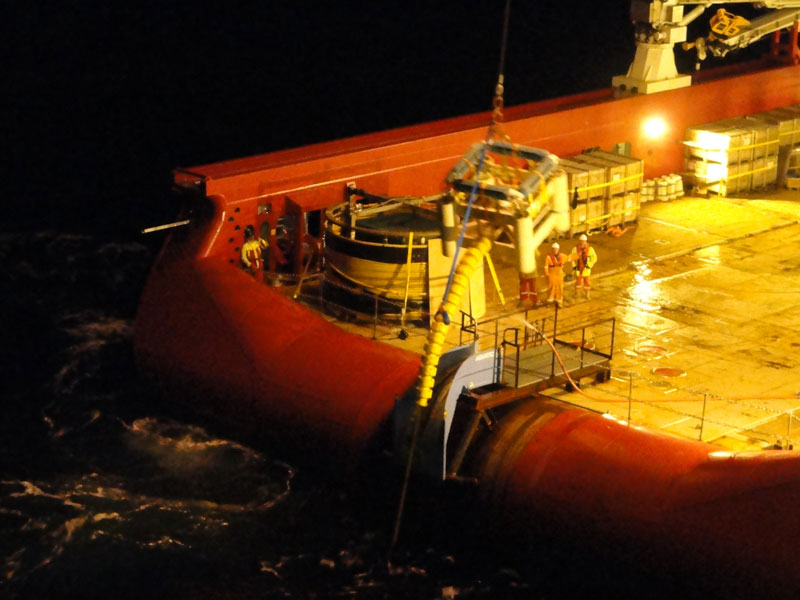
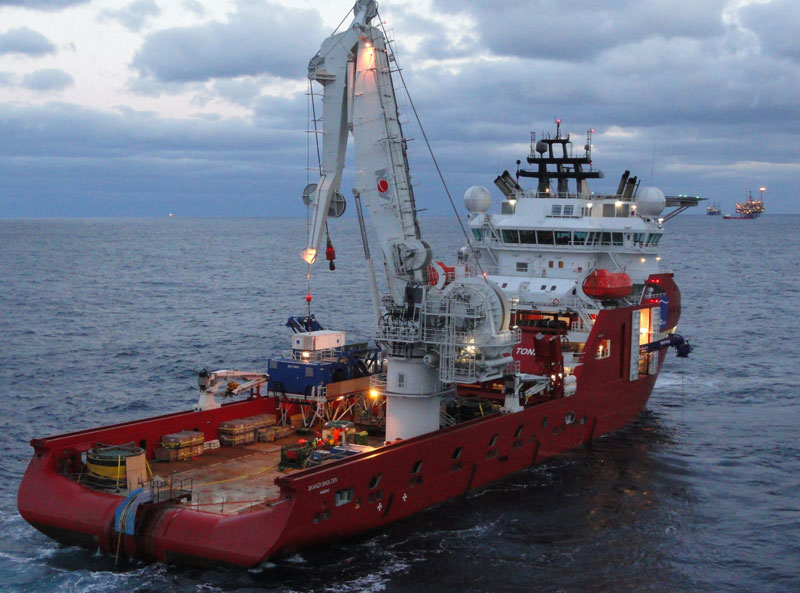
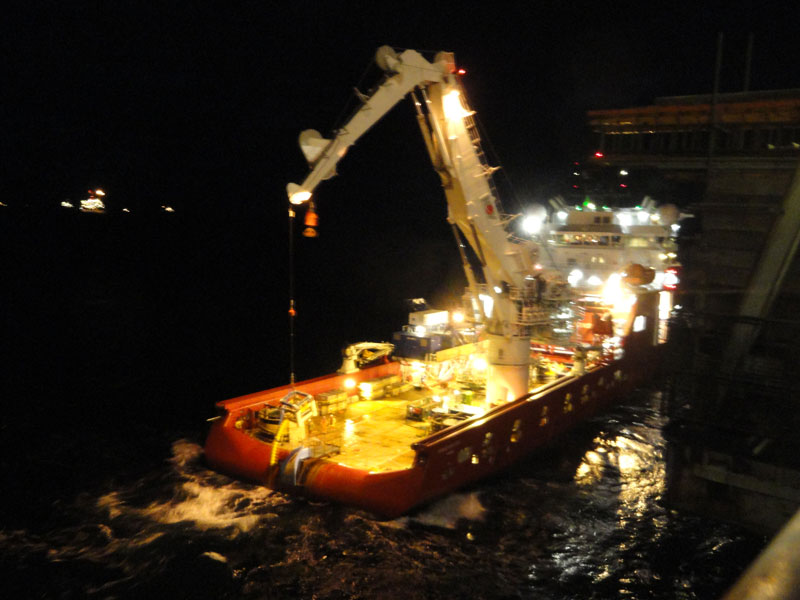
The installation followed extensive engineering to design the most appropriate system for the aging structures, including topside equipment suitable for installation in hazardous areas on the platforms. Deepwater's focus was to provide a retrofit CP system that could meet the current required for a 20-year life extension while minimizing installation costs for the client. The ICCP systems consisted of nine RetroBuoy™ anode skids deployed concurrently with all associated cabling to reduce the installation cost as much as possible. In any CP retrofit, deployment of the subsea anodes is always the major expenditure. However, actual deployment of each anode skid in this case was completed in 12 hours.
All equipment was manufactured and assembled in the UK in compliance with electrical and North Sea standards and specifications. The subsea cable and associated ancillary equipment was designed and built by a specialist UK cable manufacturer. Topside equipment was installed by the client's nominated contractor and pre-commissioned by Deepwater in the summer of 2010 prior to the anode and subsea cable deployment in the autumn of 2010. Deepwater engineers were on-site to oversee topside termination of the subsea cable and confirm that all equipment had been installed in accordance to the design and specifications.
Once both phases of deployment were completed, Deepwater commissioned each ICCP system. Structure-to-seawater potentials were recorded before and after the system was energized. The transformer rectifier outputs were adjusted as required to maintain an average potential of -1000 mV w.r.t. Ag/AgCl across each structure.

Gallery
Overboard
RetroBuoy being lifted overboard via crane.
Recitifers
Prefabricated transformer rectifier skids on deck.
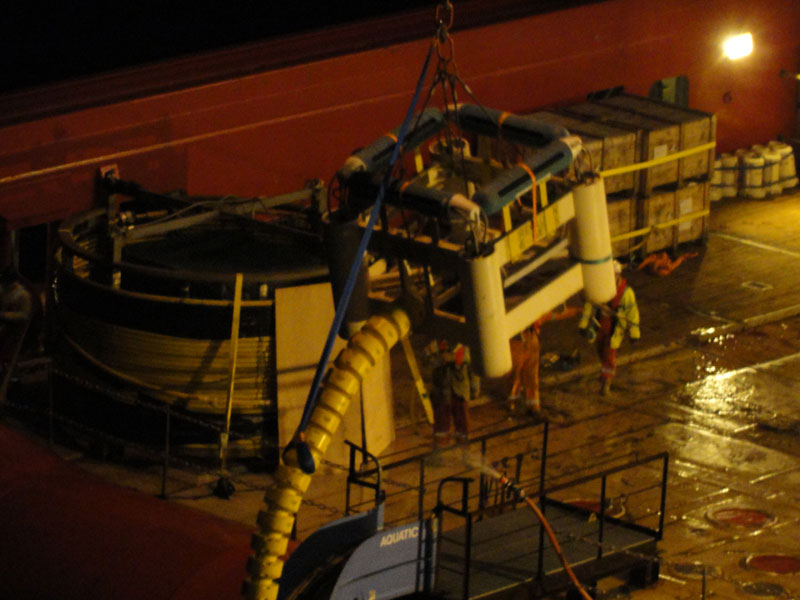
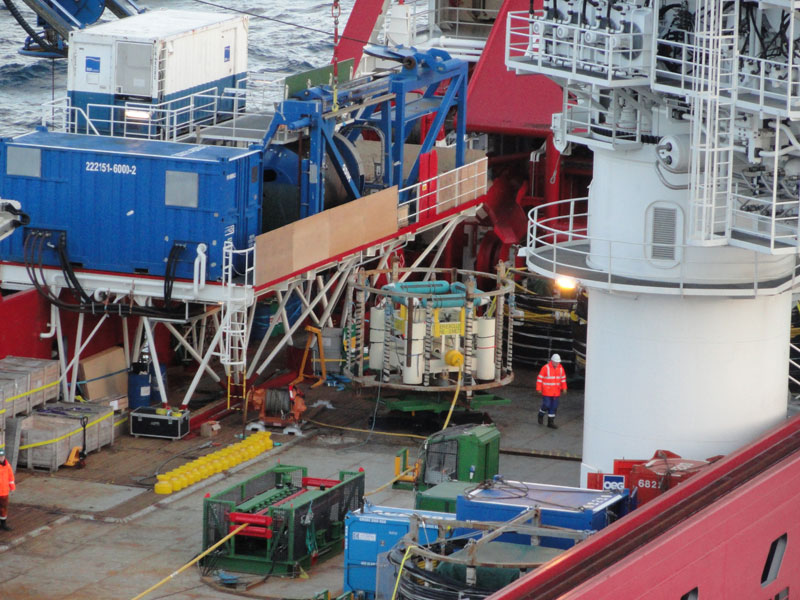
Cable prep
RetroBuoy in cable carousel on deck.
Related content
Spotlight

Related products & experience


