RetroClamp™
Subsea clamp system for retrofitting anodes to pipelines and tubulars

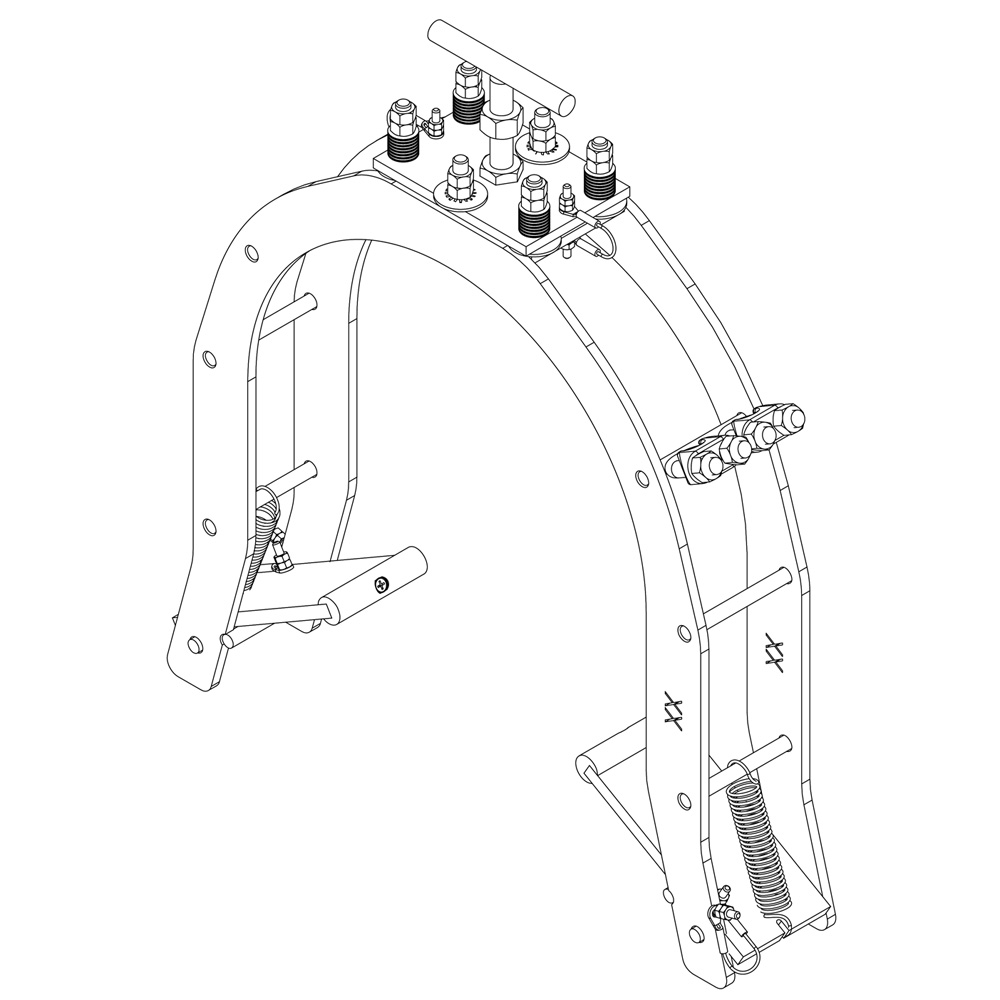
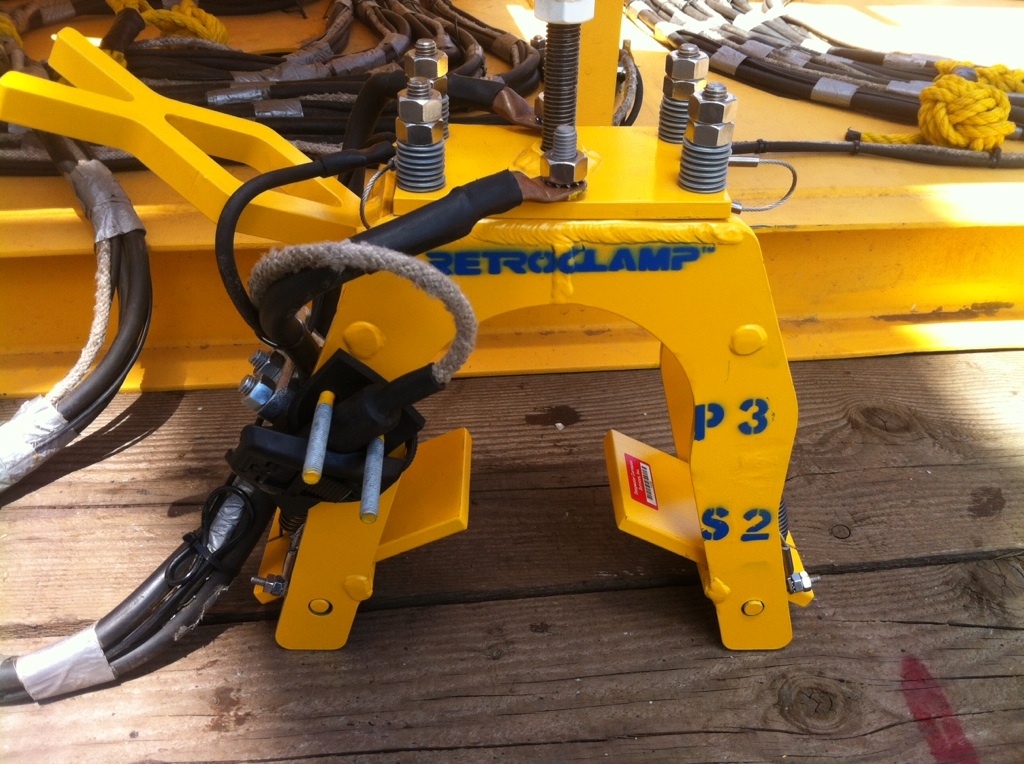
RetroClamp™ can be installed by diver or ROV, with contact tips capable of safely penetrating pipeline coatings.
The RetroClamp™ was originally designed to facilitate ROV attachment of retrofitted cathodic protection anode sleds to offshore pipelines. The first clamps were built and deployed in 2000, and since that time, the clamp has been adapted and improved significantly for strength and versatility. Thousands of RetroClamps™ have been successfully installed by divers and ROVs for a wide variety of applications, including attachment to wellheads, vessels and large-diameter tubular members.
The simple push-and-twist installation means that the clamp is usually installed in minutes; the unique design of the spring-tensioned floating plate ensures that the low-resistance electrical contact is maintained under constant tension. The clamp can be configured with a range of contact tips that allow it to be attached without cleaning or coatings removal in most cases. Even concrete weight coatings can be penetrated, saving a significant amount of time and effort during installation.
Specifications
Key Items
Size
3 - 46 in pipe and tubular members
Design Life
25 years
Contact Types
Point (structural), Volcano (Pipeline), CWC piercing, or 5LPP piercing.
Deployment
Diver or ROV
CP Readout
Connection verification through RetroReader™ (ROV) or CP Gun™ (diver)
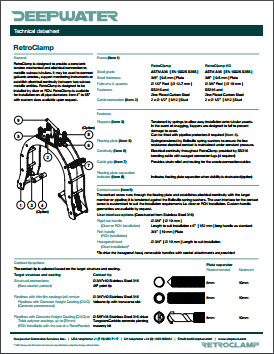
TECH DATASHEET
Video: RetroClamp™ installation
Many applications

Anode connection
Connect sacrificial anode sleds to offshore pipelines, platforms and subsea equipment.

CP test stations
A modified RetroClamp™ can be used to anchor a CP test station on a buried or unburied subsea pipeline.

Subsea cable runs
Retrofit cable-support system for risers, J-Tubes, or tubular members.

Fixed monitoring
Mount for retrofitted monitoring instruments, data loggers and acoustic relay devices to transmit topside.
Versatile design for multiple uses

RetroClamp™ used as a jumper
It can provide continuity to electrically isolated areas.

Another RetroClamp™ jumper

Releasable RetroClamp™
This version can be removed and reinstalled.
Sample project experience


RetroClamp Gallery
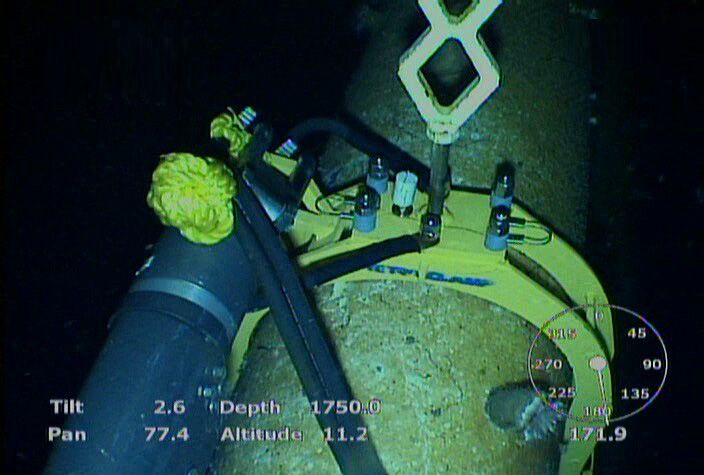
RetroClamp™ protecting a flowline
The electrical connection and minimal coating interference allows the RetroClamp™ to quickly connect and protect any pipeline or tubular member.
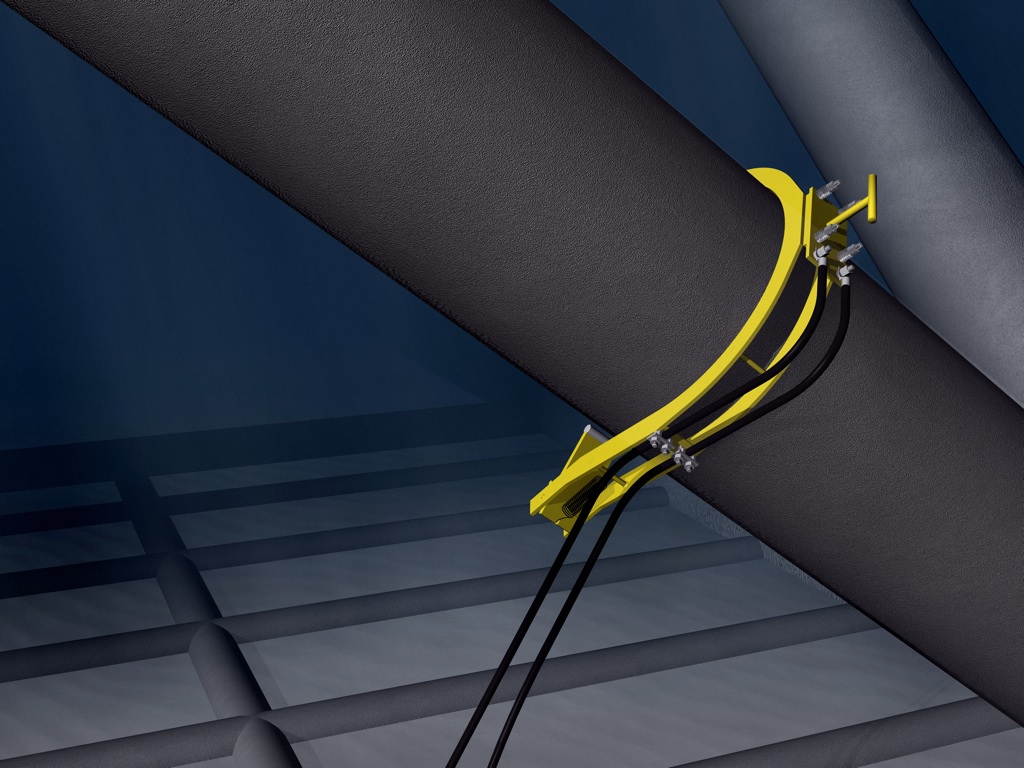
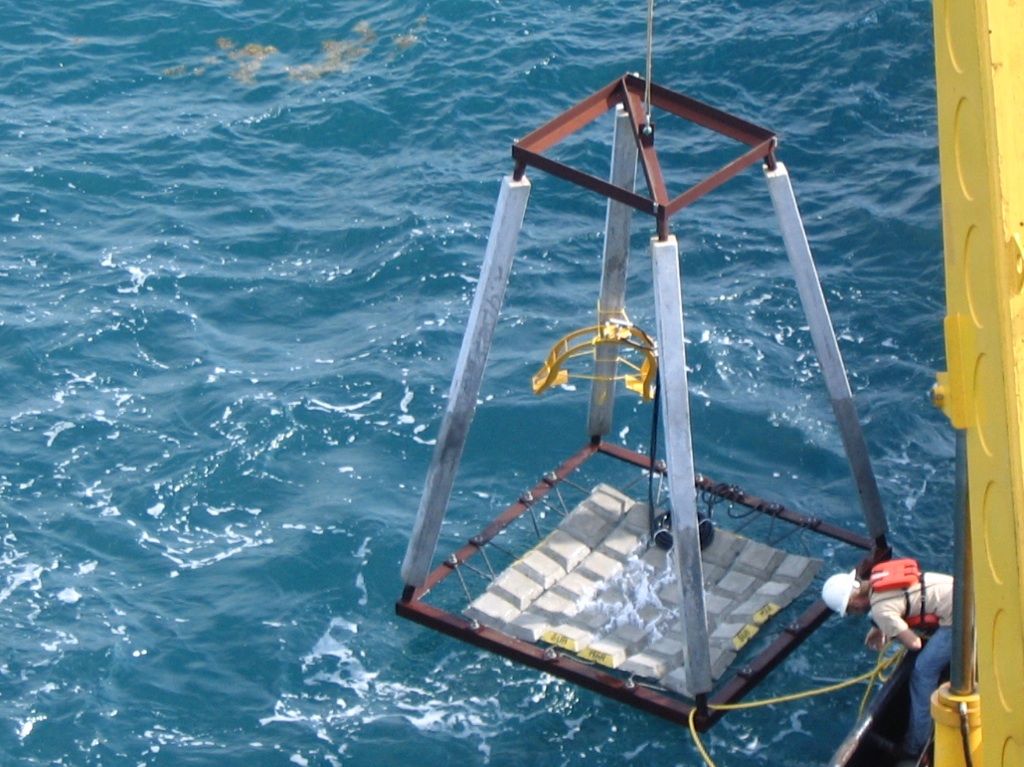
Sacrificial anode retrofit
The RetroClamp™ was initially designed to retrofit new anodes to protect aging subsea assets.
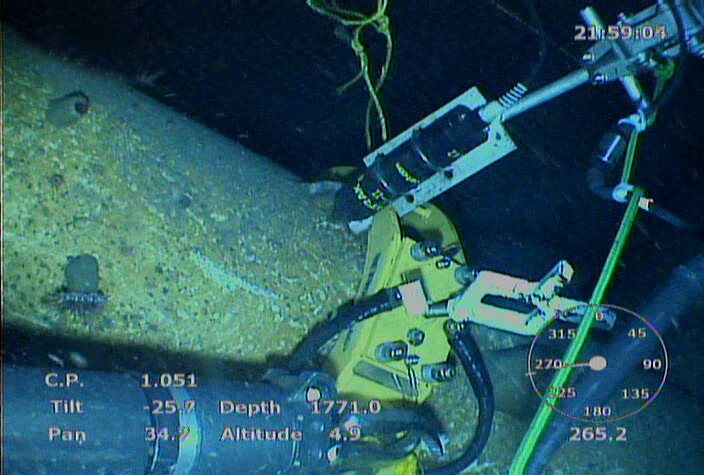
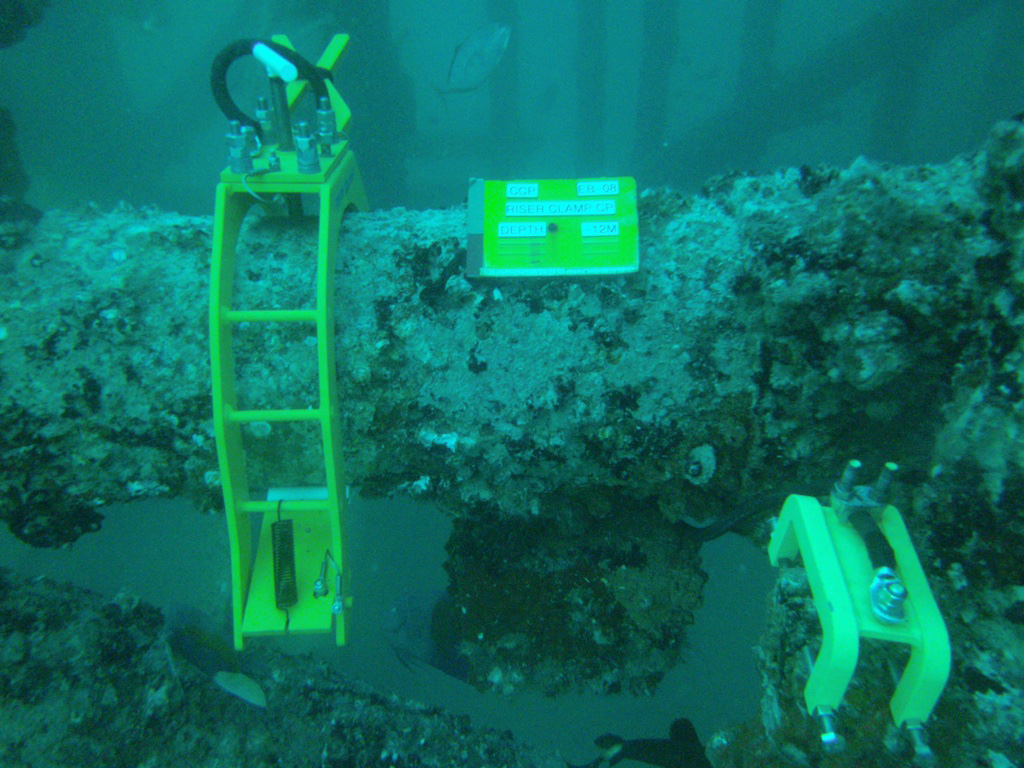
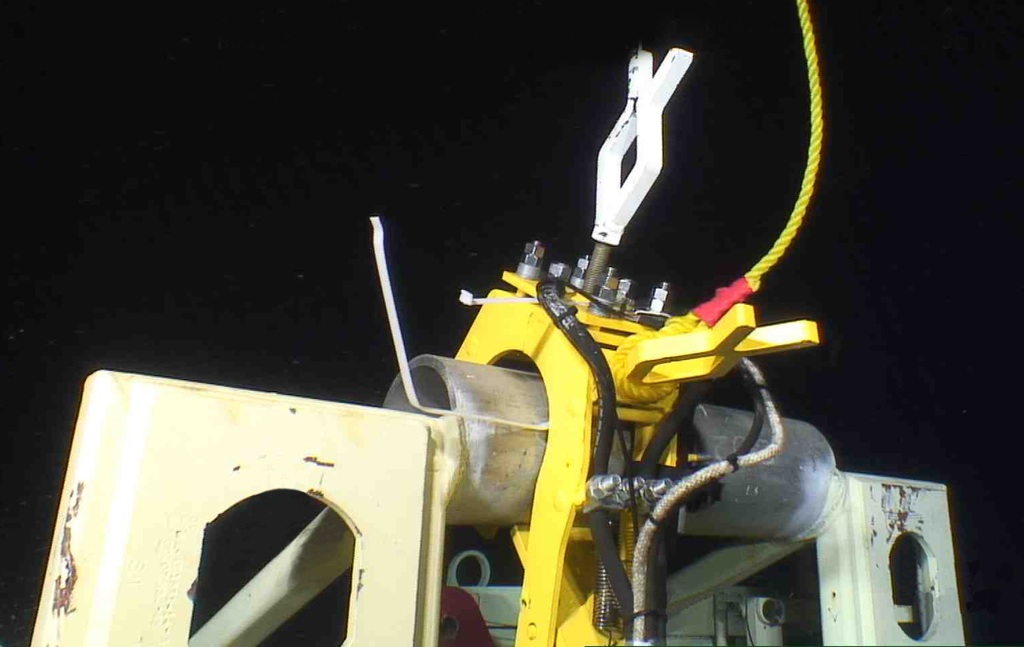
RetroClamp™ for subsea equipment
This RetroClamp™ is attaching anode material to subsea equipment which lacks the surface area to attach traditional anodes.
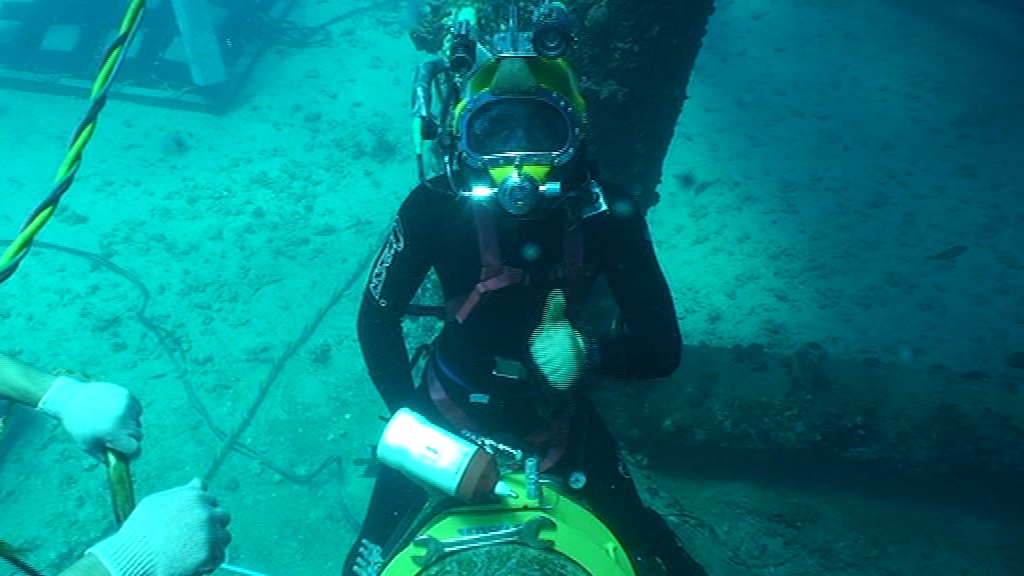
Diver approved
Divers can install a RetroClamp™ in less than 10 minutes without having to interact with any heavy loads.
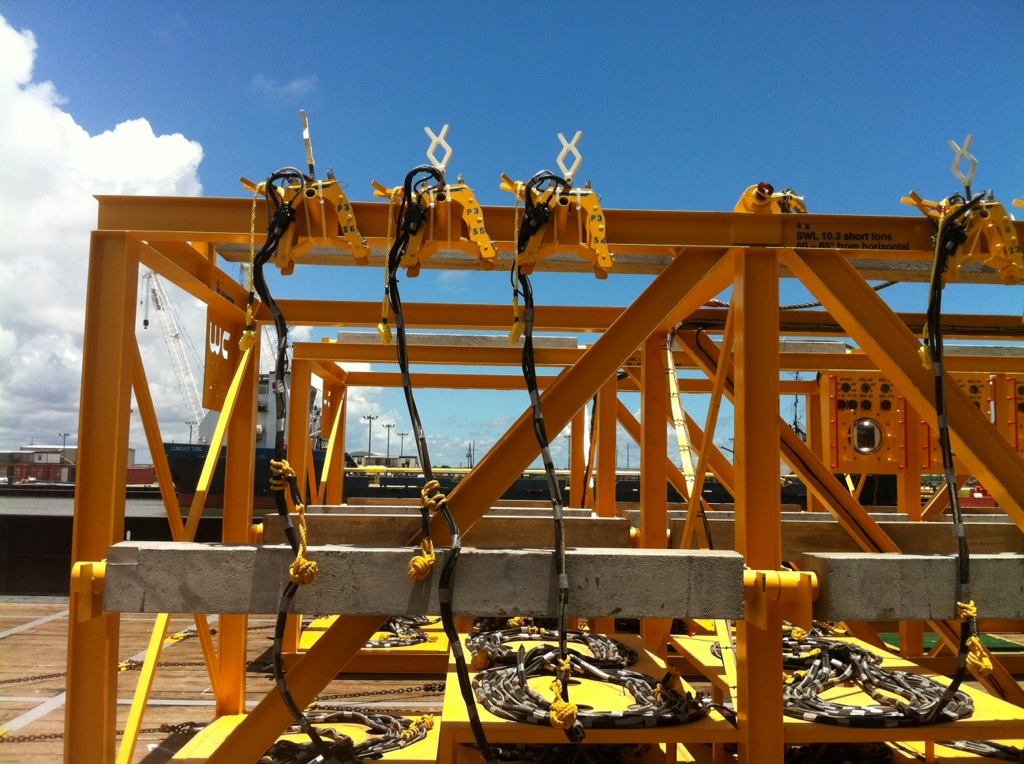
Multiple structures
This large anode sled can protect and monitor multiple pieces of subsea production equipment by attaching one RetroClamp™ to each piece.
Related content

Related products & experience


