RetroLink™
Anode string for short-term life extension

Protecting over 10% of structures on the Gulf of Mexico’s continental shelf
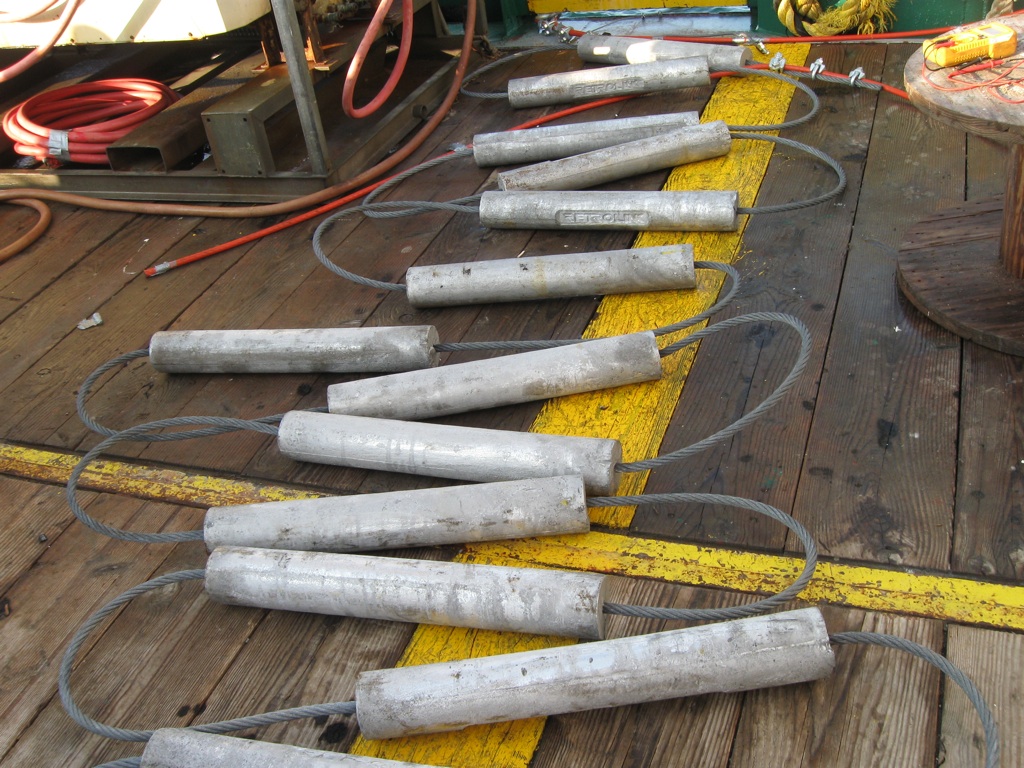
RetroLink™ is a cost-effective cathodic-protection retrofit system consisting of 3 to 15 anodes cast directly onto a heavy-duty wire rope.
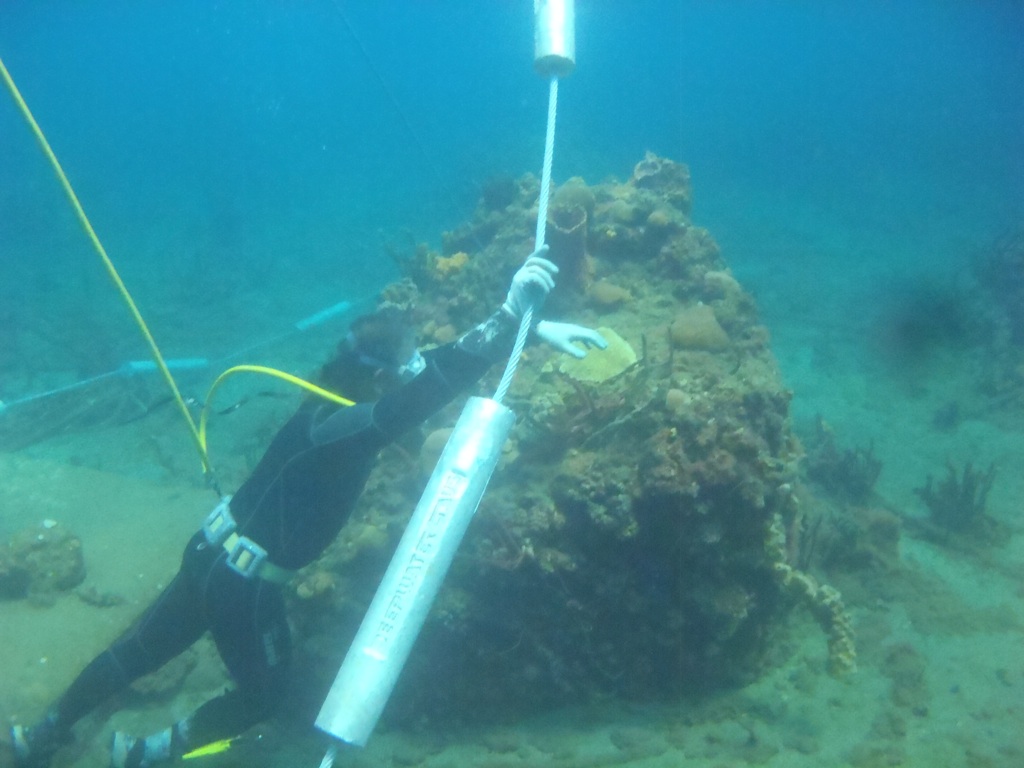
The RetroLink™ attaches electrically and mechanically above the water line, allowing the string to hang in the seawater with at least two anodes situated in the mud. The installation is almost always performed from a small vessel without using divers. This solution is suitable for any structure in less than 85 feet of water.


Protecting the Ocean Star
RetroLink™ is so effective at slowing the corrosion of assets that it protects the Ocean Star Museum, a place where maritime stands still.

Project experience

Miles of protection
A total of 18.34 miles of RetroLink™ currently protect structures in the Gulf of Mexico.

Long life
If all RetroLinks™ put in service since 2009 were laid end to end, they would measure 18.34 miles, five miles longer than Manhattan Island. That's 96,826' in length, and the average length of a link is just 48 feet.

Proven technology
Over 500 structures are currently protected by RetroLinks™ in the Gulf of Mexico alone.

No weak links
Deepwater's premium foundry relationship has established proven QA/QC standards.

Major operators
Widely implemented by many major oil companies, RetroLink@ has been embraced as the industry's offshore, shallow-water retrofit system of choice.

You're in good company
One out of every 10 structures in the Gulf of Mexico is currently fitted with RetroLinks™.
Storm resilience
Resistant to inclement conditions, RetroLink™ is consistently able to endure category 2 hurricanes and often remains in service after category 4 storms.
Post-hurricane inspections in 2009 found that 95% of RetroLinks™ were still working after hurricanes Gustav, Ike, Rita, and Katrina.
Modular links can be stored on the boat, cut to length and installed as necessary. This is especially convenient during post-hurricane inspections.
Key design factors
Modular design allows for a high degree of customization and simple implementation. Depending on the salinity of the water, you may select zinc or aluminum anode material. Zinc anodes are recommended if water is less than 12‰ of full-strength seawater.
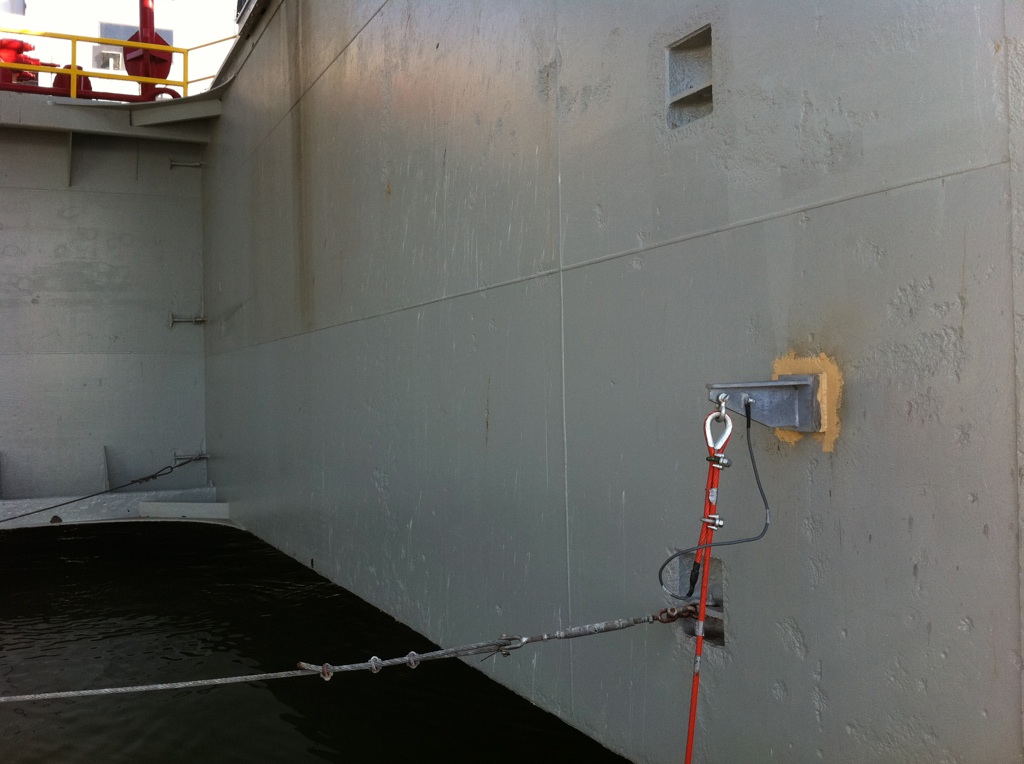
Easy to install: The topside suspension assembly can be affixed to horizontal or vertical members using crevice-corrosion preventing I-Clips™ or a weld. The isolator can also have links for protecting offshore risers. Links can even be attached subsea using a modified hang-off.
Fully adjustable: The PVC-coated wire rope used for corrosion resistance also allows hang elevations to be easily adjusted in the field to bring protection to the areas needing it most.
Quality control: Deepwater draws anodes from two local affiliate foundry locations, allowing us to strictly regulate QA/QC for all the aluminum and zinc anodes we use in our systems.

Retrolink Gallery
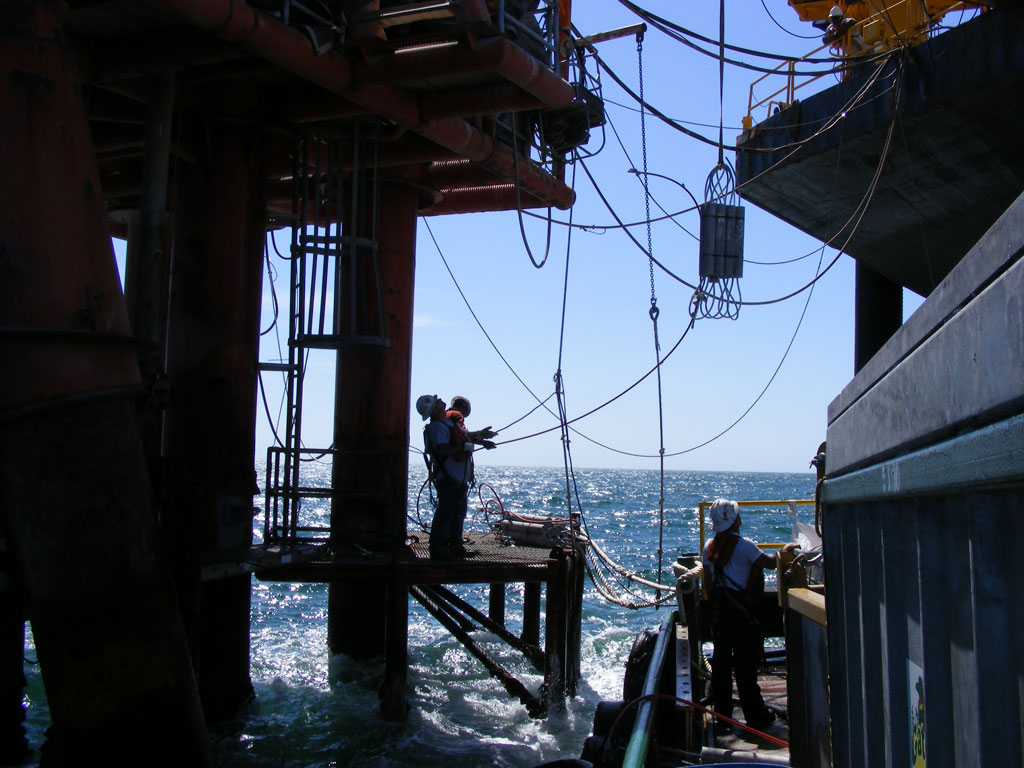
Cast away corrosion
Corrosion protection with RetroLink™ is achieved by simply connecting the system and deploying the links.
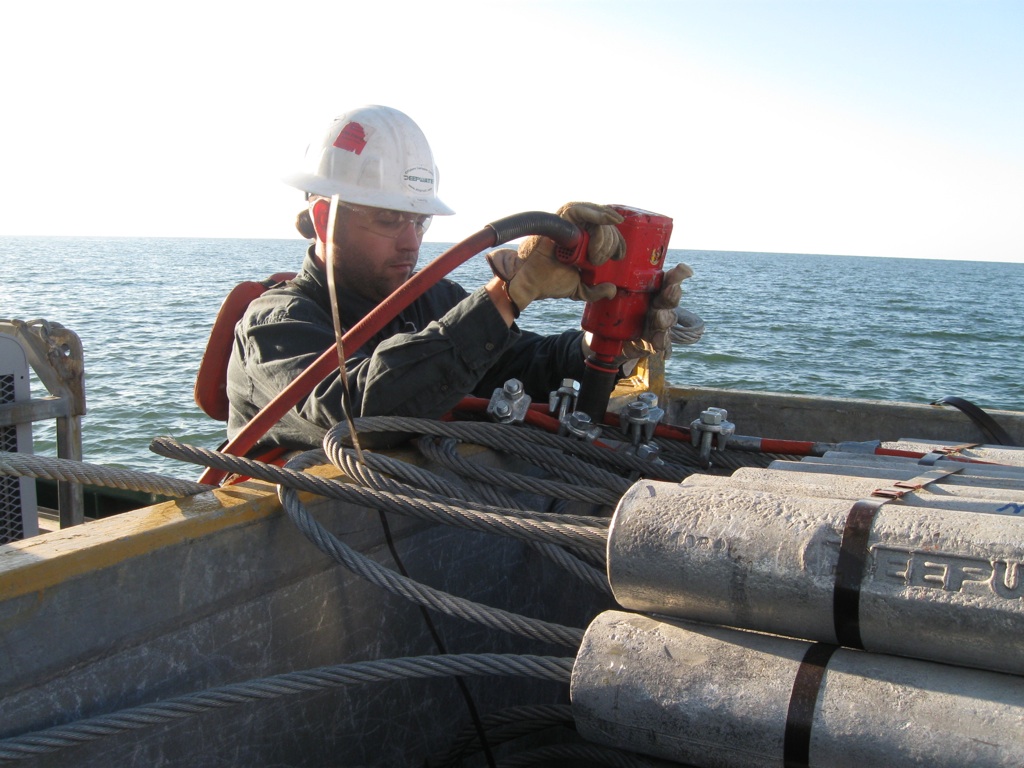
Installation
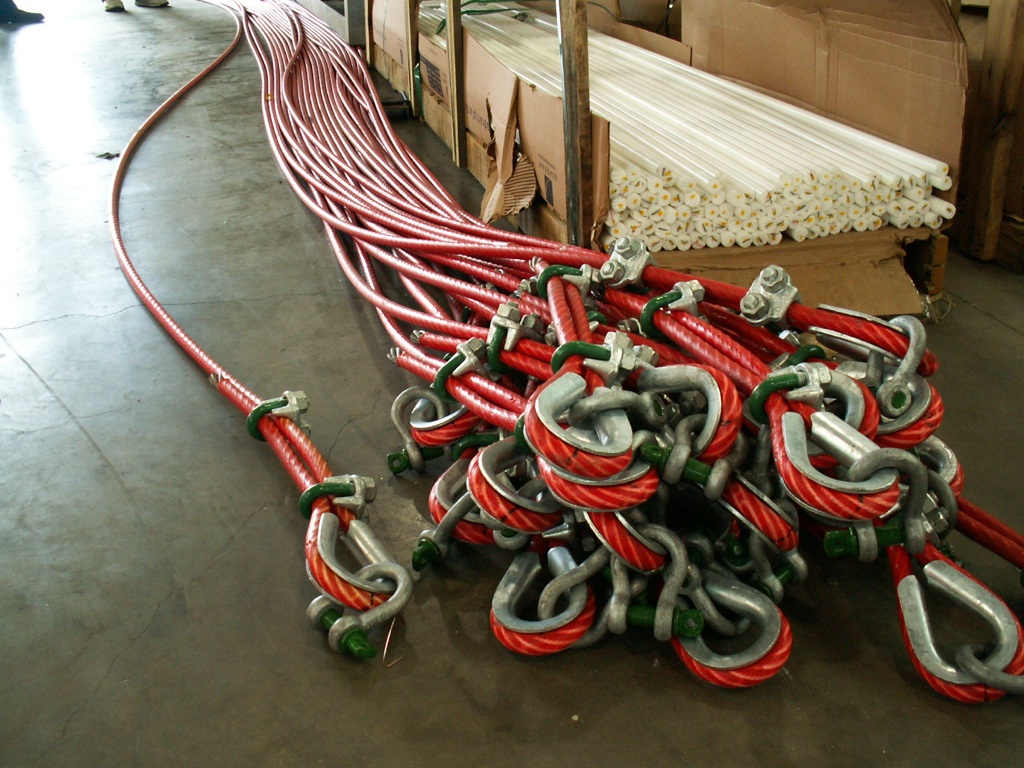
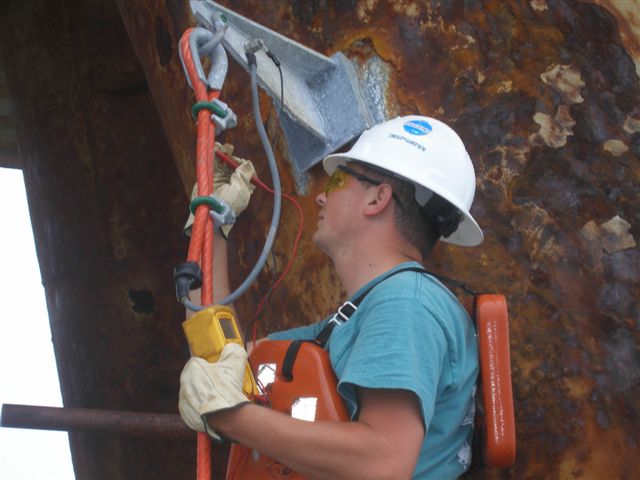
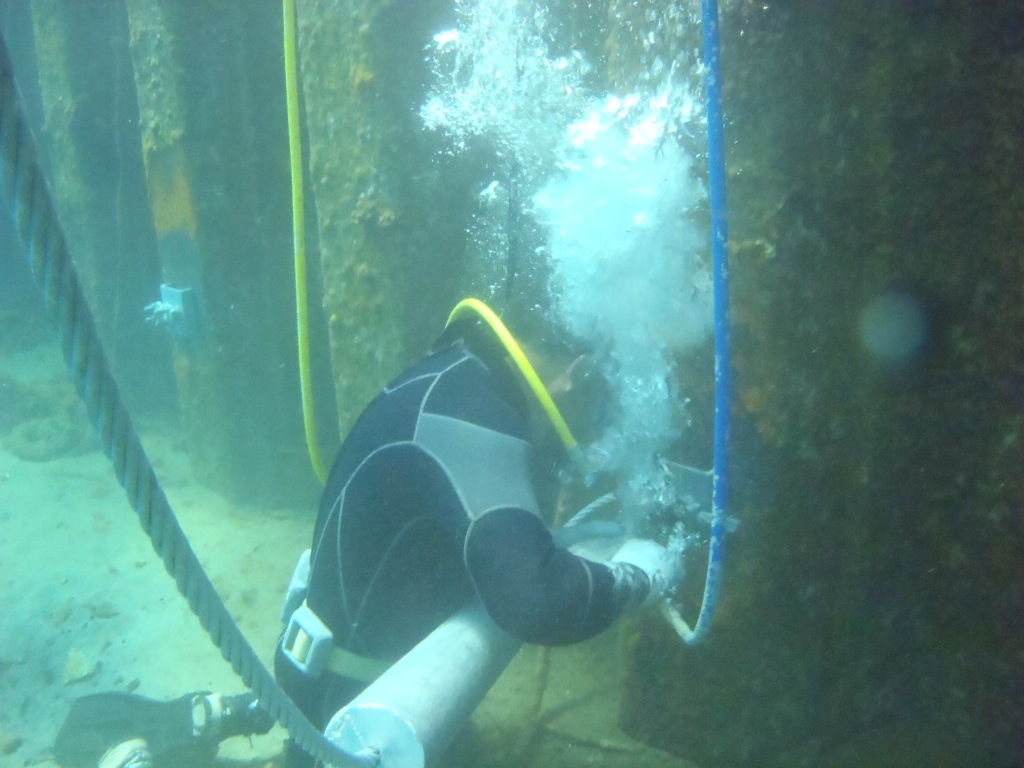
Connecting the anode string to the correct leader in the field.
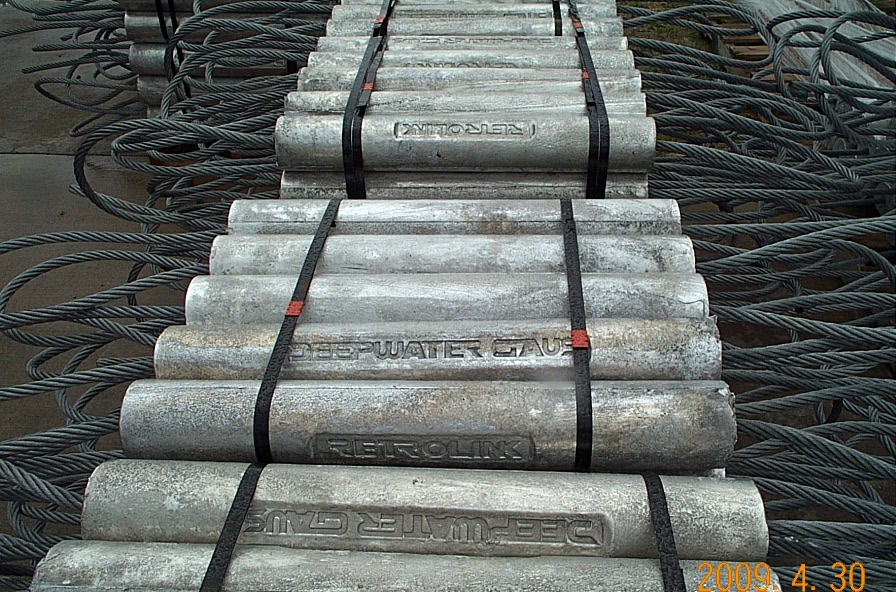
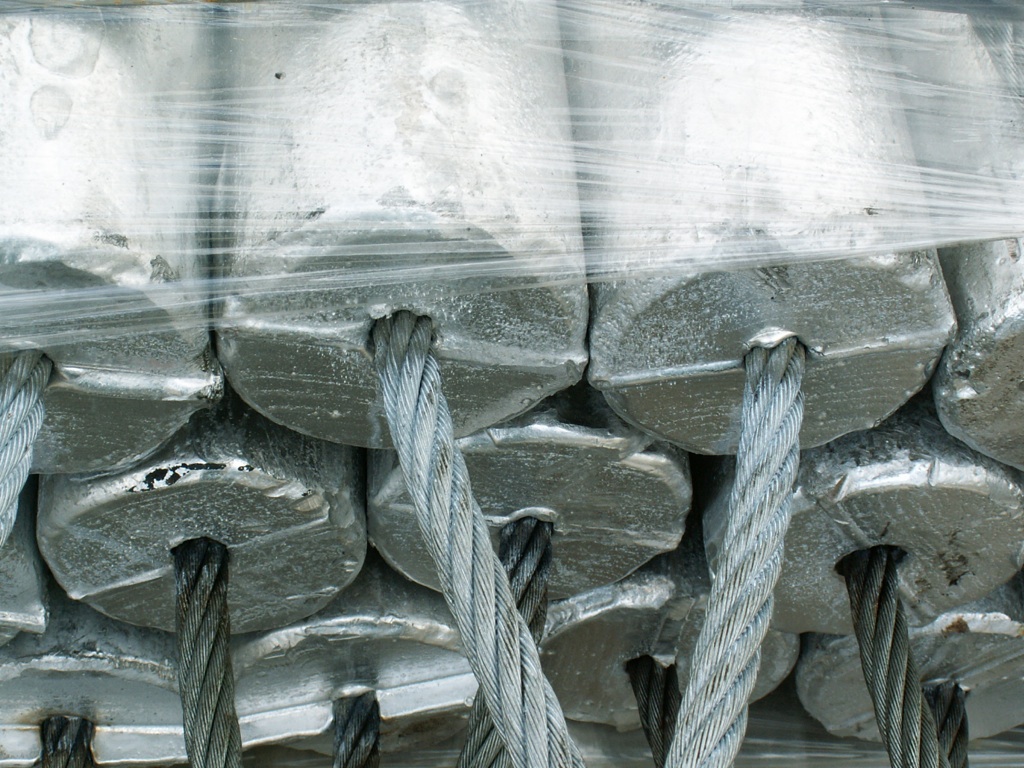
Safety first
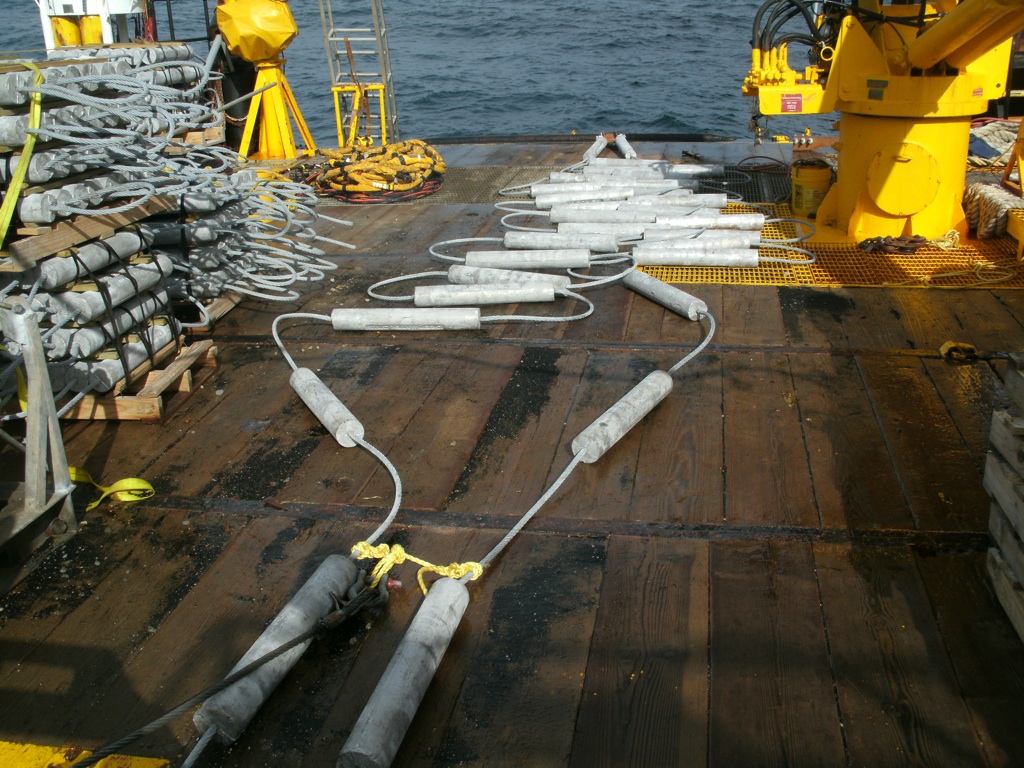
RetroLinks™ are laid out on the back deck prior to deployment with minimal crew interaction.
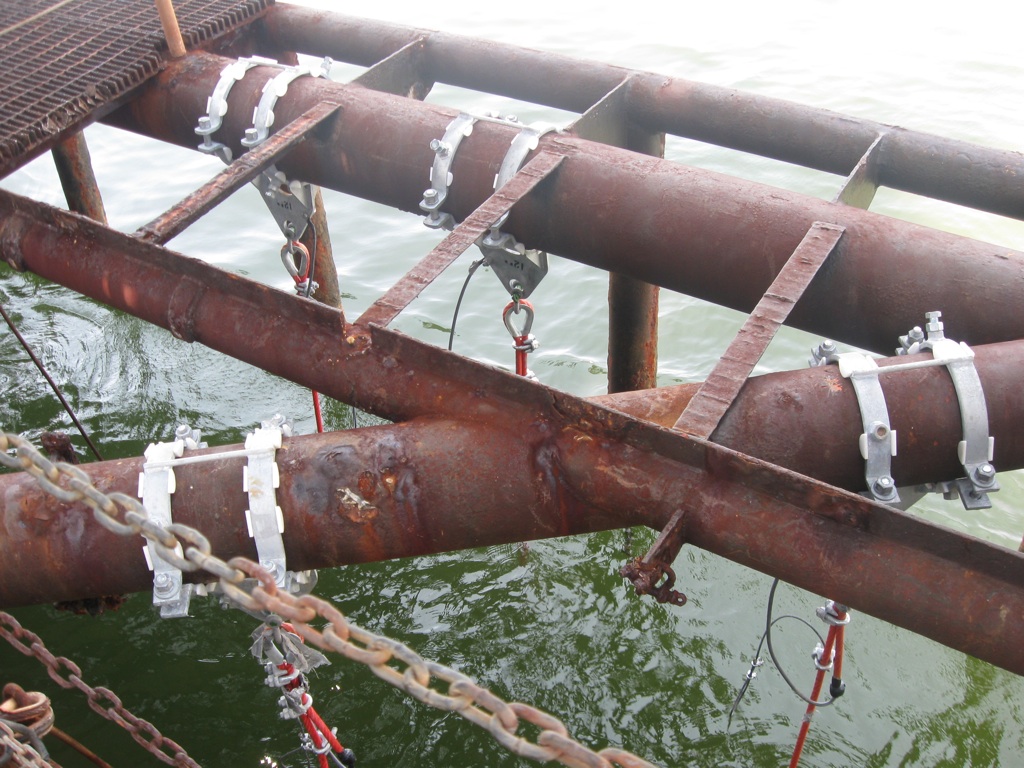
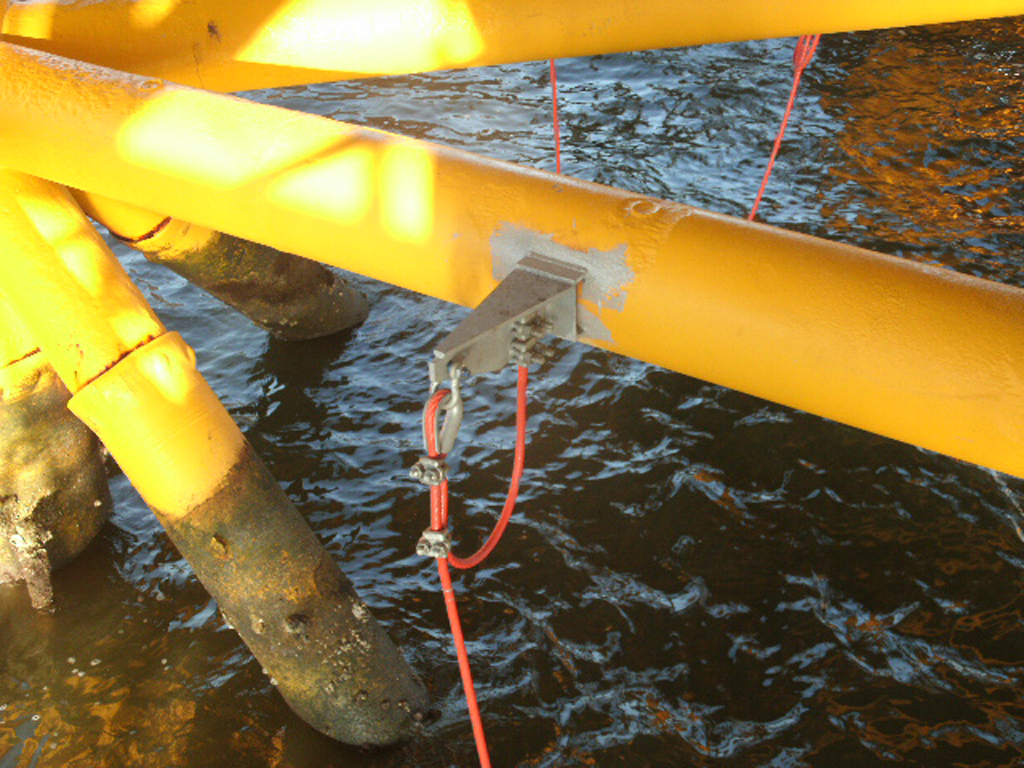
Clamp attachment
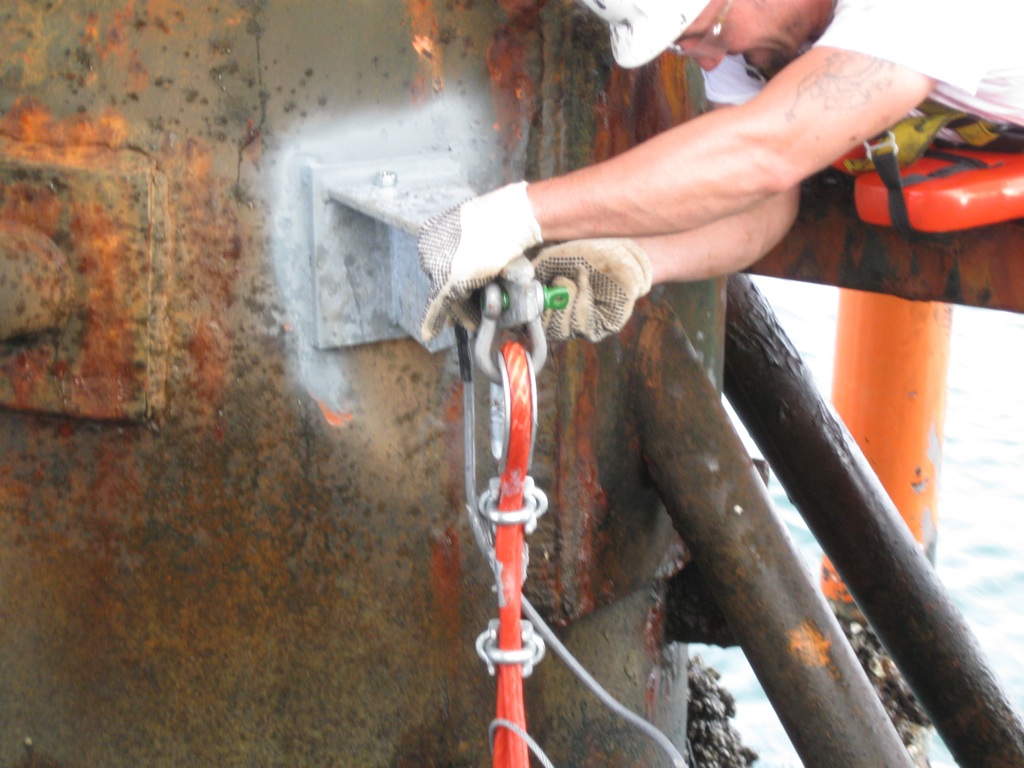
RetroLink™ strings can hang from either a welded or a clamped support
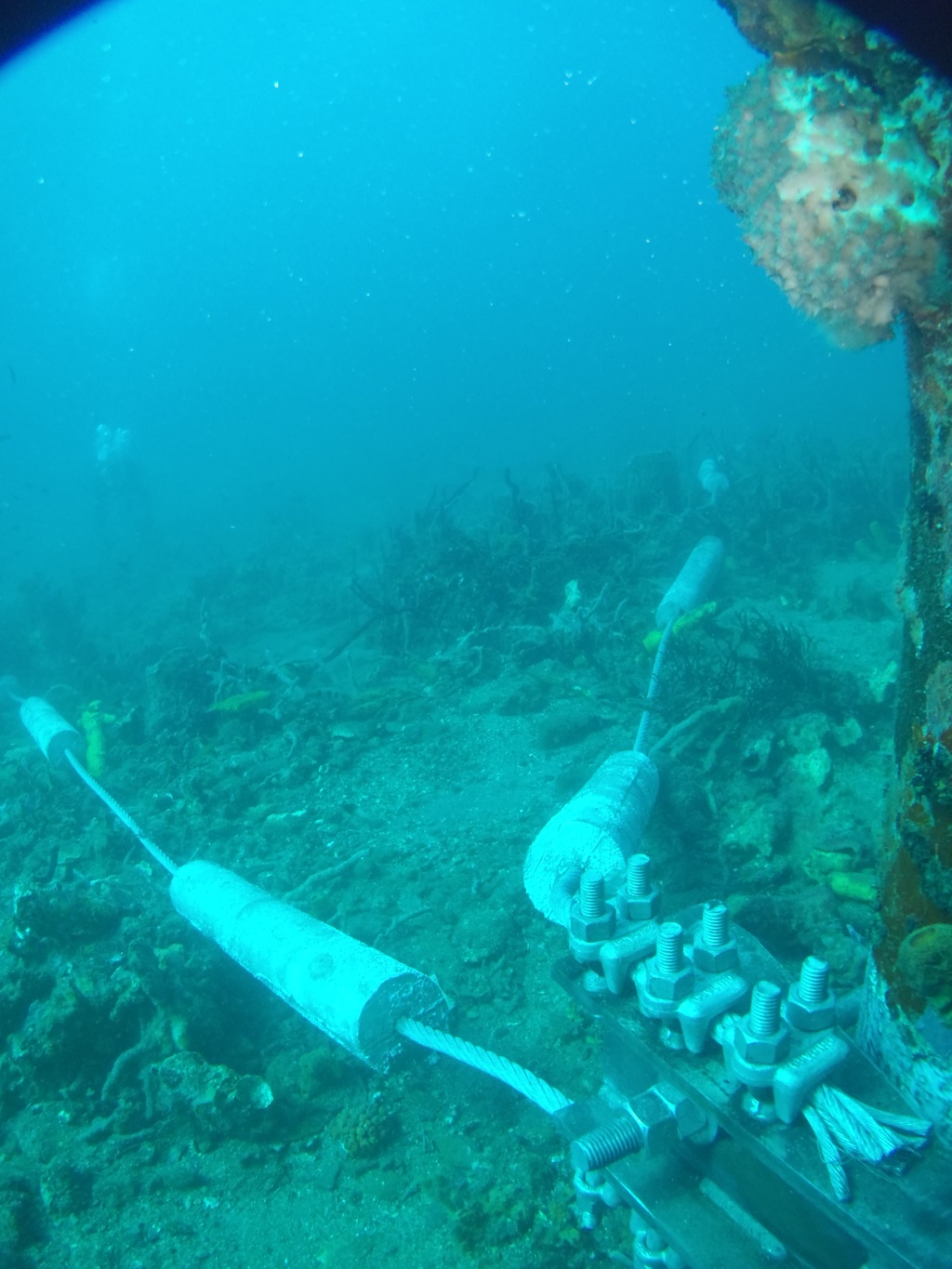
RetroLinks™ subsea
When installed on the subsea members of a structure, the links are draped outwards into the mud.
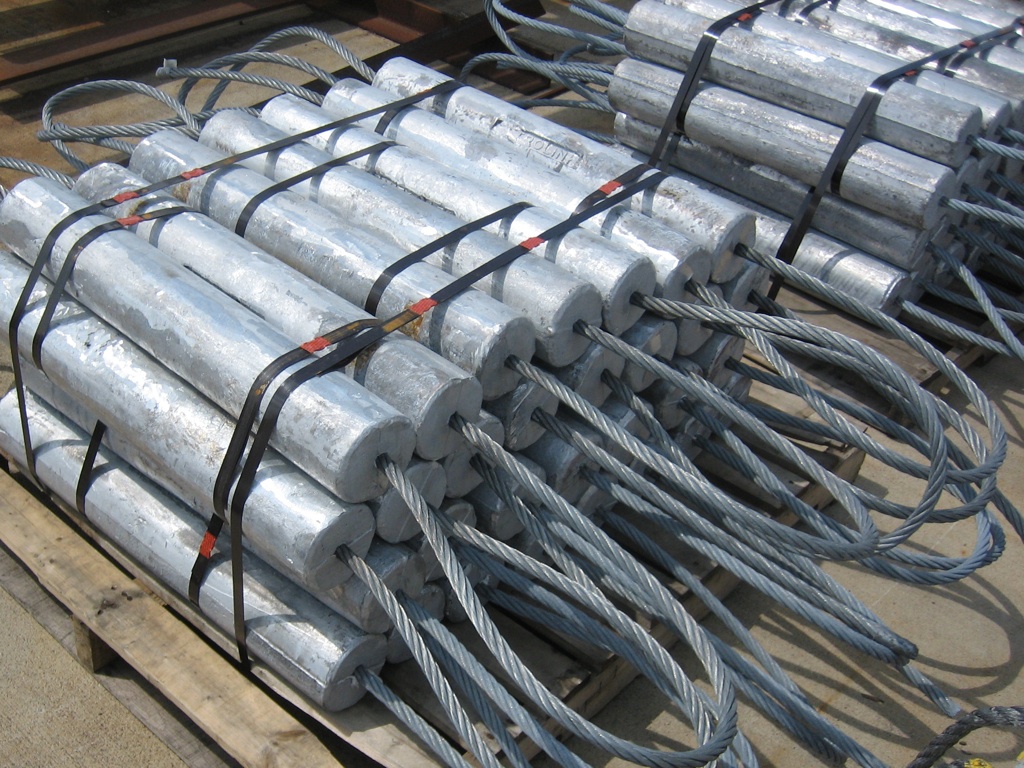
Downloads and more
Spotlight

Related products & experience


